Choose sliding glass doors that protect your South Florida property with impact-rated glass, code-compliant installation, security, and lasting comfort.
A sliding door can be the largest glass opening in a South Florida home. That makes sliding glass doors more than a source of daylight or a convenient path to the patio. They are a major part of your hurricane-protection system, your home’s security perimeter, and its year-round energy performance.
For a home near the coast or anywhere exposed to severe weather, the right door must do more than look good in a showroom. It must be engineered, approved, correctly sized, and professionally installed to perform under design pressure, windborne debris, heavy rain, and daily use. A premium impact-rated sliding door can provide that protection while opening living spaces to the pool, terrace, or landscape.
Why Sliding Glass Doors Need a Higher Standard
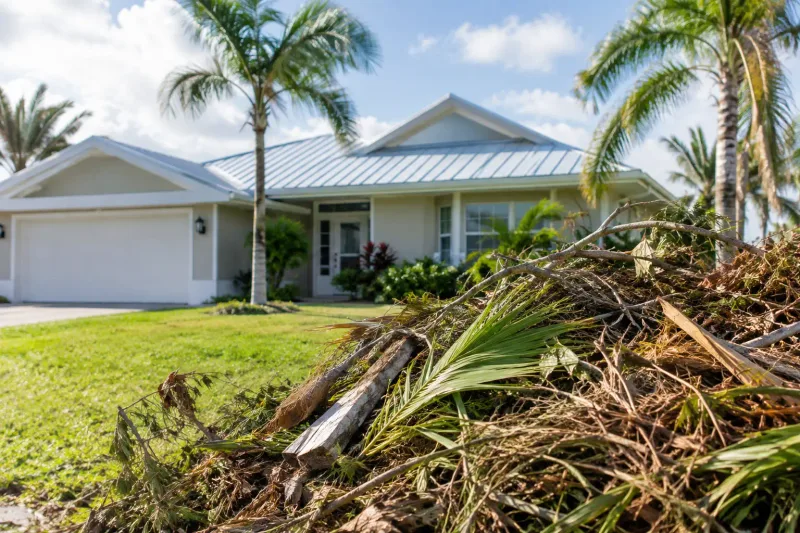
Conventional patio doors are often one of the first weak points in an older home. Large panels of standard glass can break during a storm, allowing wind and rain to enter the building envelope. Once that happens, changing internal pressure can increase the risk of significant damage to the roof, walls, and interior.
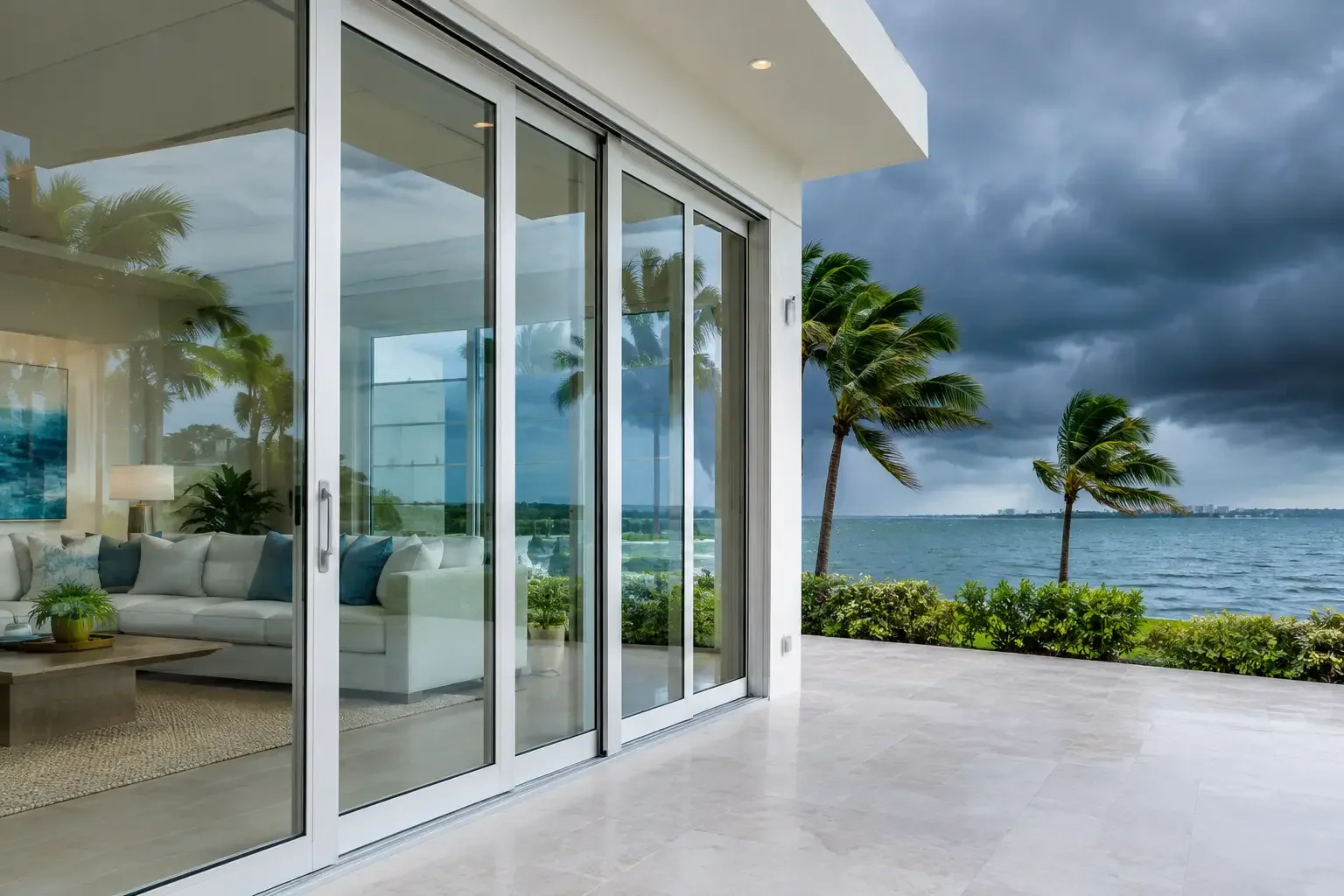
Impact-rated sliding glass doors are designed to resist this sequence. Their laminated glass includes a durable interlayer between panes. If debris strikes the glass, the panel may crack, but the interlayer is designed to help hold the glass together and maintain the opening’s protective barrier. Reinforced frames, stronger tracks, upgraded rollers, locking hardware, and tested anchoring methods all contribute to the system’s overall performance.
That distinction matters because a door is not impact rated simply because it has thick glass or a heavy frame. Performance is based on a complete tested assembly, including the glass, frame, panel configuration, hardware, dimensions, and installation method. In South Florida, product approvals and Florida Building Code requirements should guide the selection from the beginning.
What to Look for in Impact Sliding Glass Doors
The best door for one property may not be the right choice for another. A ground-floor opening facing a wide backyard has different exposure, security concerns, and design goals than a high-rise balcony opening or a waterfront home facing open wind. Still, several factors deserve close attention on every project.
Product Approval and Design Pressure
Miami-Dade approvals and Florida Product Approvals help establish whether a specific door system is suitable for its intended application. The approval must match the actual configuration being installed, not merely the product family. Panel size, number of panels, glass type, mullions, sill condition, and anchoring can affect approved performance.
Design pressure is especially important. It accounts for wind forces pushing against and pulling away from the door. A qualified contractor evaluates the opening, location, exposure, building type, and applicable code requirements before recommending a system. Selecting a lower-rated option simply to reduce the initial price can create problems during permitting or leave the property with less protection than it needs.
Glass That Balances Protection and Comfort
Impact glass can help protect against windborne debris, but it also brings practical daily benefits. Laminated glass can reduce outside noise from traffic, landscaping equipment, neighbors, and storms. Many homeowners also notice improved comfort near large glass openings when modern insulated glass and low-emissivity coatings are specified appropriately.
The ideal glass package depends on orientation and lifestyle. A sun-exposed west-facing room may benefit from solar-control glass that helps manage heat gain. A shaded opening may allow a different balance of visible light and energy performance. The goal is not to choose the darkest glass available. It is to preserve the view and daylight while improving comfort and helping reduce strain on the air-conditioning system.
Frame Materials, Tracks, and Hardware
Aluminum remains a proven choice for South Florida sliding doors because it offers strength, clean sightlines, and excellent durability when properly engineered and finished. High-quality systems use reinforced frame components, reliable weatherstripping, drainage paths, and rollers designed for the weight of impact glass.
Pay attention to how the door feels in operation. A large impact panel is naturally heavier than a standard panel, but it should still move smoothly and close securely. Quality rollers, track alignment, and proper adjustment make a meaningful difference over years of daily use. The lock should engage firmly, and the meeting rails should close evenly without visible gaps.
Security Beyond the Storm
Impact glass adds a valuable layer of burglary resistance because it is much harder to breach quickly than standard annealed glass. That does not mean homeowners should overlook the door’s lock, frame, and installation. Security is strongest when the full system works together.
Look for substantial locking hardware, properly reinforced keepers, and a frame securely anchored to the structure. For ground-level doors, this combination can provide greater confidence whether you are home, away for the weekend, or preparing the property before hurricane season.
Choosing the Right Door Configuration
Sliding doors should fit the way the property is used, not just the rough opening size. A two-panel configuration can be a practical choice for a bedroom, condo balcony, or smaller patio. Three- and four-panel systems can create a wider opening for main living areas, while multi-panel doors can make a dramatic connection between indoor and outdoor entertaining spaces.
Some configurations stack panels to one side. Others allow panels to meet at the center, and pocketing systems can slide panels into a wall cavity for a more open appearance. The larger and more complex the system, the more critical engineering, structural preparation, water management, and precise installation become.
A wide opening is visually impressive, but it comes with trade-offs. Larger panels are heavier, may require deeper tracks or more substantial framing, and demand careful planning for thresholds and drainage. In a renovation, the existing wall condition and structural header may determine whether a desired configuration is feasible without additional construction work.
Installation Is Part of the Protection
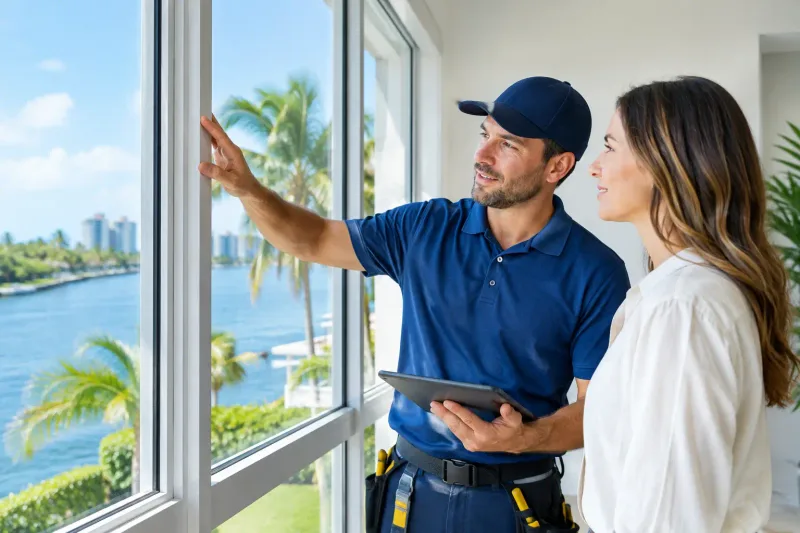
Even the best-rated sliding glass door cannot perform as intended if it is installed incorrectly. The opening must be measured accurately, prepared properly, and evaluated for damaged framing, substrate conditions, and water intrusion before the new system is set in place.
Professional installation involves more than removing an old door and fastening a new frame in its place. Crews must use the approved anchoring pattern, verify plumb and level conditions, integrate the sill and perimeter with the building’s water-management approach, seal the system correctly, and make final operational adjustments. Interior and exterior finishes should be restored with care, and the work area should be left clean.
For many South Florida homeowners, permitting is another major part of the project. Permit documentation, product approvals, engineering requirements, inspections, and HOA coordination can be time-consuming when handled without experienced guidance. A full-service contractor helps keep those responsibilities organized so the project moves from consultation to final permit closure with clear accountability.
At Avrax Impact Windows & Doors, that process includes helping property owners compare approved options, coordinate the project details, and install doors to meet applicable code and manufacturer requirements. The objective is not merely a new patio door. It is a finished opening that performs, looks polished, and supports long-term property value.
When Replacement Makes Sense
Some warning signs are obvious: cracked glass, corroded frames, water entering during rain, doors that stick, failed locks, or visible gaps around the panels. Others are easier to overlook, such as condensation between insulated panes, fading furnishings near the opening, rising cooling costs, or increasing outside noise.
Replacement can also make sense when a homeowner is relying on removable hurricane panels for a large patio opening. Permanent impact protection removes the need to store, lift, and install panels before every storm threat. It can also provide everyday benefits that panels cannot deliver, including improved security, noise reduction, and a clearer, more refined exterior appearance.
For commercial properties, upgraded sliding systems can protect ground-floor amenity spaces, offices, hospitality areas, and storefront-adjacent openings while maintaining a professional architectural finish. The right solution depends on occupancy, exposure, traffic, accessibility needs, and the building’s approved design requirements.
A Door You Can Rely On Every Day
Sliding glass doors should make a home feel more open without making it feel more vulnerable. When the system is properly selected and installed, it can bring in natural light, frame the outdoor space, improve daily comfort, and stand ready when South Florida weather turns serious.
Before choosing a style or finish, start with the opening’s code requirements, exposure, and performance needs. A well-planned impact door project gives you more than a better view - it gives your property a stronger line of defense and one less concern when the forecast changes.