Impact windows Miami homeowners select should meet local code, resist windborne debris, and receive permit-ready installation for durable protection.
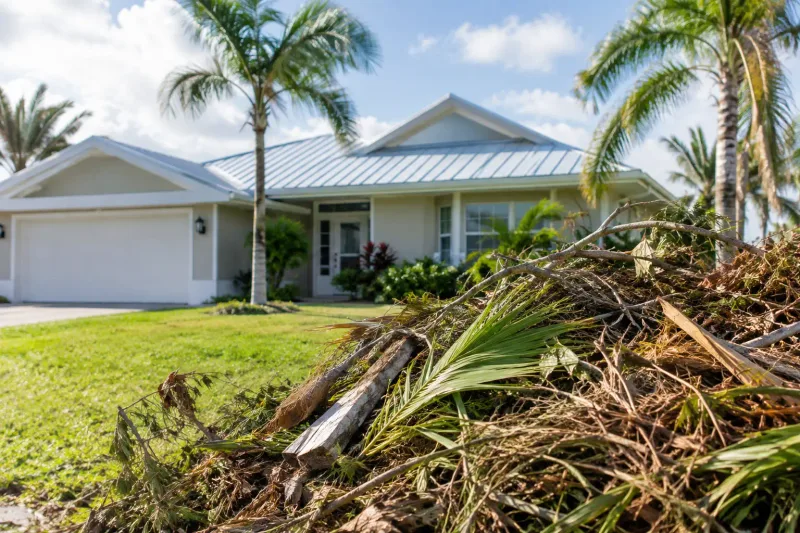
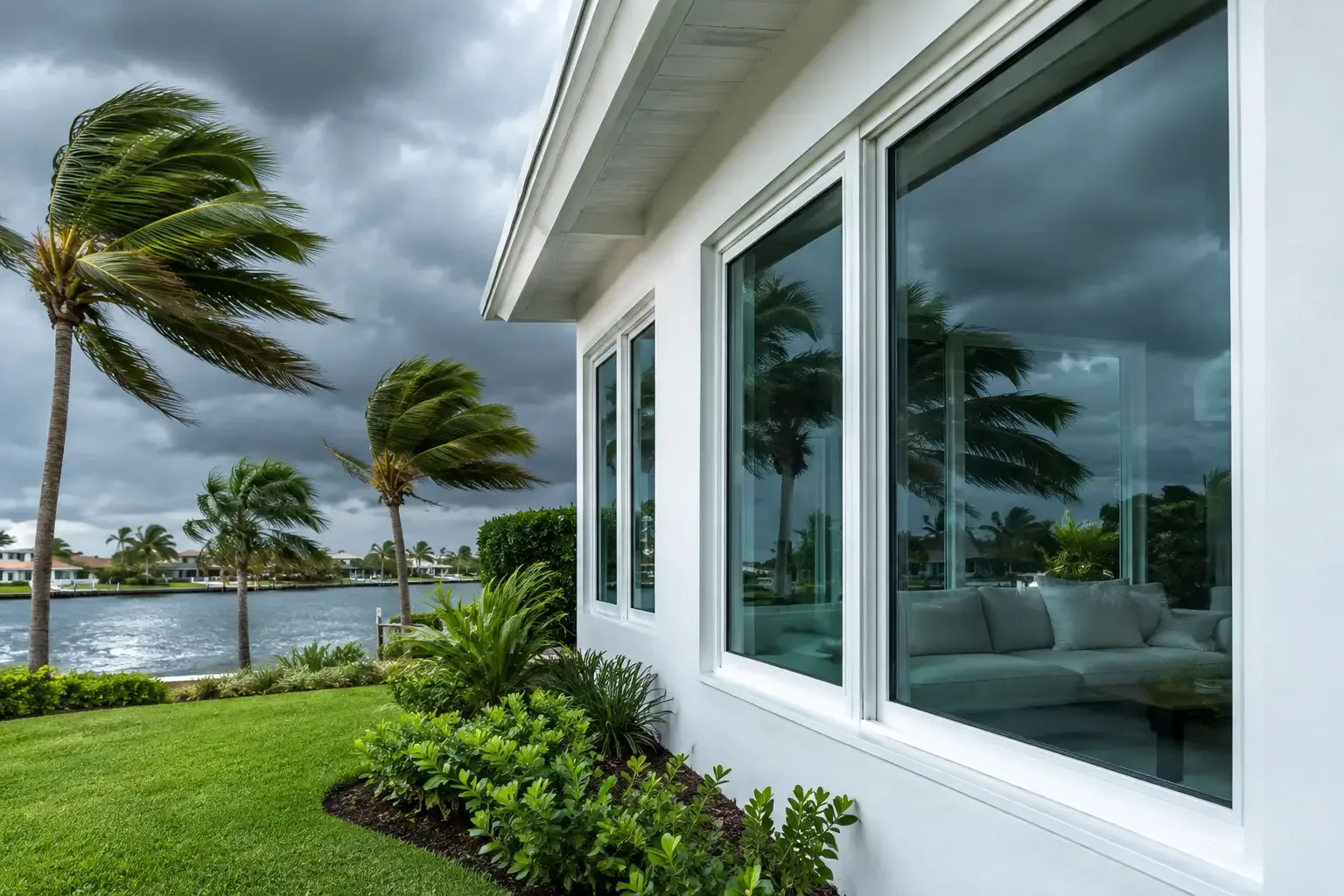
A Miami storm does not need to make a direct landfall for older windows to become a liability. Wind pressure, flying debris, driving rain, and rapidly changing conditions can test every opening in a home or commercial property. That is why impact windows Miami property owners choose must be more than attractive replacement windows. They need to be engineered, approved, fitted, and installed as a complete protection system.
For many South Florida owners, the decision begins after years of putting up hurricane panels, dealing with rattling aluminum frames, or noticing rising cooling costs near large glass openings. The right impact-rated upgrade can replace those frustrations with permanent protection, better security, quieter interiors, and a more finished architectural look. But product quality alone is not enough. The details behind the glass matter just as much.
What Impact Windows Miami Properties Need to Handle
Impact windows are designed to help keep a building envelope intact during severe weather. Instead of relying on shutters or removable panels, they use impact-resistant laminated glass, reinforced framing, and tested hardware to resist windborne debris and extreme pressure changes.
The glass is central to that performance. It typically consists of two panes bonded with a durable interlayer. If debris strikes and cracks the outer glass, the interlayer is designed to hold the broken material in place rather than allowing an opening to form. That distinction is critical. Once a conventional window fails during a storm, high winds can enter the property, increase internal pressure, and place additional stress on the roof, walls, and remaining openings.
Miami-Dade is known for some of the country's most demanding wind and impact requirements. A window that may be acceptable in another market is not automatically the right choice for a Miami-area installation. Homeowners should look for products with the proper approvals and performance ratings for their location, building type, and opening size.
Protection is not a single number
It is tempting to compare impact windows by asking which one has the highest wind rating. That is a useful starting point, but it does not tell the whole story. Design pressure requirements vary based on the property's exposure, height, opening dimensions, and specific site conditions. A large second-story window on a waterfront-facing wall may require a different solution than a smaller protected opening on the ground floor.
The frame, glass package, anchoring method, and installation conditions work together. A qualified contractor evaluates the entire opening rather than treating every window as a standard replacement.
Miami-Dade Approval and Florida Building Code Compliance
South Florida building codes are not paperwork to be handled after the product is chosen. They should shape the project from the beginning. Proper compliance helps confirm that the proposed windows and doors are appropriate for the structure and that the installation plan meets applicable requirements.
A well-managed project generally includes field measurements, product selection, permit documentation, and inspections through final closure. If a property is governed by an HOA or condominium association, there may also be architectural review requirements, finish restrictions, and approval timelines to coordinate.
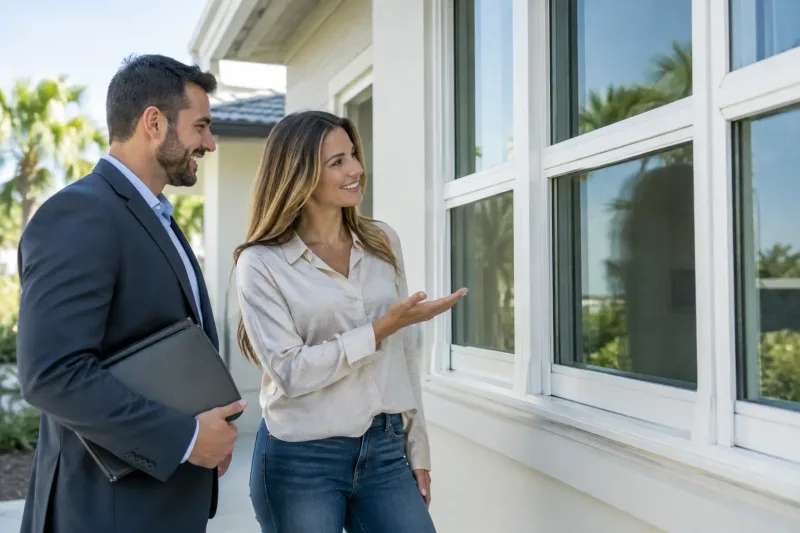
This process can feel complicated when a homeowner is managing it alone. It becomes much more controlled when the contractor takes responsibility for the details, including permit support, HOA coordination when required, and communication around installation scheduling. At Avrax Impact Windows & Doors, that full-project approach is part of delivering protection that is not just sold, but properly completed.
Why installation quality carries so much weight
Even a premium, Miami-Dade-approved window can underperform if it is installed incorrectly. Improper fastening, incomplete sealing, poor flashing practices, or an inaccurate fit can affect water management, structural performance, and long-term appearance.
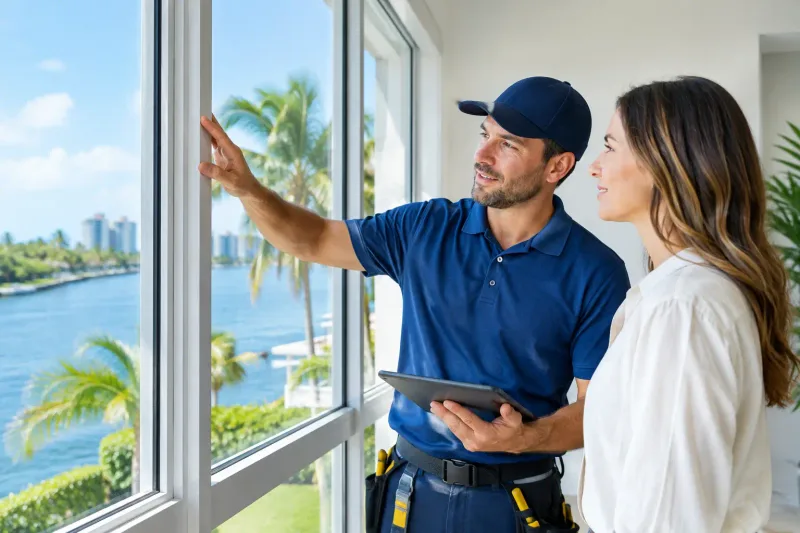
Professional installation begins with accurate measurements and a clear understanding of the existing opening. Crews must remove old units carefully, prepare the opening, place and secure the new frame according to the approved installation method, seal the perimeter, and verify operation before cleanup. On older homes, hidden conditions may be discovered once the existing unit is removed. Responsible installers identify those conditions, explain the available solutions, and keep the project moving with clear expectations.
Choosing the Right Window Style for Your Property
Impact protection does not require every opening to look the same. South Florida homes range from classic ranch properties and waterfront residences to contemporary estates and multifamily buildings. The window style should support the architecture while meeting performance needs.
Horizontal rollers are often selected for wide openings and practical operation. Single-hung and casement windows can suit bedrooms, bathrooms, and more traditional elevations. Picture windows create uninterrupted views and bring natural light into living areas, while architectural shapes can add character where standard rectangles feel too plain.
For commercial properties, storefront-style systems, fixed glass, and larger glazing configurations may be appropriate. These projects require particularly careful attention to engineering, code requirements, and jobsite coordination.
The best choice depends on more than appearance. Consider how the room is used, whether ventilation is needed, the desired sightlines, cleaning access, privacy, and the orientation of the opening. A west-facing family room with intense afternoon sun may benefit from a different glass option than a shaded bedroom.
The Benefits You Notice After Installation
Hurricane protection is usually the reason property owners begin researching impact windows. The day-to-day value often makes the investment feel even more worthwhile.
Impact-resistant glass and reinforced frames add a meaningful layer of burglary resistance compared with conventional windows. They are not a substitute for smart locks, alarm systems, or good security habits, but forced entry through laminated glass generally requires more time, noise, and effort.
Many owners also notice a quieter interior. Exterior traffic, neighborhood activity, and wind noise can be reduced, though the result depends on the existing construction, glass configuration, and other pathways for sound. Energy performance can improve as well, especially when old single-pane or poorly sealed units are replaced. Lower air leakage and updated glazing can help the HVAC system maintain a more consistent indoor temperature.
There is an aesthetic benefit, too. Removing storm panels and outdated frames changes how a property looks every day, not only during hurricane season. Clean lines, coordinated finishes, and larger glass areas can improve curb appeal while allowing the home to feel brighter and more connected to outdoor spaces.
Windows, Doors, and the Weakest Opening
A property is only as protected as its vulnerable openings. Replacing windows while leaving an aging sliding glass door or conventional entry door in place can create an uneven protection plan. Doors should be evaluated alongside windows, particularly large patio sliders, French doors, and front entries exposed to wind-driven rain.
Impact-rated entry doors can strengthen security and improve the first impression of the home. Multi-panel sliding systems can bring expansive views and indoor-outdoor living without sacrificing storm protection when properly designed and installed. The right configuration depends on available wall space, threshold conditions, drainage, and the structural demands of the opening.
How to Compare Impact Window Proposals
A lower quote is not always a lower-quality project, but neither is the highest price automatically the best value. Compare proposals carefully so you understand what is included and what may become an added cost later.
Ask whether the quote identifies the manufacturer, series, glass package, frame finish, and hardware. Confirm how permits, inspections, removal of existing units, disposal, interior and exterior finishing, and cleanup will be handled. For condominium or HOA properties, clarify who will provide required submittals and documentation.
You should also ask about design pressures and approvals applicable to your project, not simply whether the product is described as impact-rated. A detailed proposal reflects careful planning. It gives you a clearer picture of what will be installed and who is accountable from consultation through final completion.
Plan Before Hurricane Season, Not During It
Demand for impact windows and doors often rises sharply as storm forecasts begin to fill the news. Waiting until then can limit product availability and extend permit or installation timelines. Planning earlier gives you more room to compare options, choose finishes, coordinate HOA approval, and make a decision based on the property's needs rather than urgency.
Start with the openings that concern you most, then build a practical project scope around protection, budget, and long-term goals. A properly selected and professionally installed impact system gives your property a stronger first line of defense and gives you one less thing to manage when the forecast changes.