Learn how impact rating standards protect South Florida homes, what Miami-Dade approvals mean, and why certified installation matters for lasting safety.
A window can look substantial and still fail the test that matters most when a hurricane is approaching: whether the complete opening can keep wind, rain, and flying debris out of your home. That is why impact rating standards should be a central part of every South Florida window and door decision. They separate products designed for severe storm conditions from ordinary glass systems that may not provide the protection your property requires.
For homeowners, the technical language can feel overwhelming. Miami-Dade approvals, design pressures, large-missile testing, product approvals, and Florida Building Code requirements all sound similar, but each addresses a different part of hurricane performance. Understanding the difference helps you compare proposals accurately and invest in protection that performs as intended.
What Impact Rating Standards Actually Measure
Impact-rated windows and doors are not simply products with thicker glass. They are engineered systems made up of glass, interlayers, frames, hardware, anchors, and installation details. The system must remain secure when exposed to a combination of flying debris and extreme wind pressure.
The best-known test for South Florida is large-missile impact testing. A test specimen is struck with a large projectile intended to simulate windborne debris, such as lumber carried by hurricane-force winds. After impact, the product is subjected to repeated positive and negative pressure cycles. Positive pressure pushes against the exterior face of the window or door. Negative pressure pulls outward, testing whether the assembly can resist suction forces that are especially severe around rooflines, corners, and tall buildings.
Passing the impact portion alone is not enough. The product must also maintain its integrity during pressure cycling. Cracked glass may be acceptable in a tested impact system, provided the opening remains protected and the assembly does not allow a breach that can pressurize the building. That distinction is critical. The goal is not always unbroken glass. The goal is to keep the building envelope intact when the storm is at its worst.
Why Miami-Dade Approval Carries Weight
Miami-Dade County has some of the most demanding product approval requirements in the country because local buildings face high winds, windborne debris, intense rain, and coastal exposure. A Miami-Dade Notice of Acceptance, often called an NOA, documents that a specific product configuration has met applicable testing and evaluation requirements.
An NOA is valuable because it is not a general promise that a manufacturer makes about an entire product line. It identifies the tested or approved assembly, including details that may involve frame type, glass build-up, size limits, reinforcement, hardware, and anchoring methods. A sliding glass door with one glass option, for example, may carry different limitations than the same door with a different panel size or configuration.
For properties within the High-Velocity Hurricane Zone, which includes Miami-Dade and Broward counties, these approvals are particularly relevant. Local permitting authorities review product approvals and installation details to confirm that the selected units are appropriate for the project. Other Florida jurisdictions may use Florida Product Approval or other accepted approval pathways, but Miami-Dade-approved products are often a strong choice for homeowners seeking a higher level of verified performance.
Florida Building Code Is More Than a Product Label
A label stating that a window is impact-rated does not automatically mean it is right for every opening. Florida Building Code requirements are applied to the building, the site, and the specific conditions of each opening.
Design pressure is one of the most important considerations. It measures the amount of wind pressure a unit is approved to resist, typically expressed in pounds per square foot. The required design pressure can vary based on building height, exposure category, opening size, location on the structure, and whether the opening is near a corner. Larger windows and doors generally face greater loads. A product that is suitable for a low-rise inland home may not be approved for a high-rise condominium or a wide coastal opening.
Water infiltration performance also matters. Hurricane protection is not limited to resisting debris. Driving rain can find weaknesses in drainage paths, seals, and installation interfaces. Properly selected products and carefully executed flashing, sealant, and anchoring details help manage water under severe weather conditions.
This is why professional measurements and site evaluation matter before a final proposal is issued. A compliant installation is built around the actual opening, not an assumption based on a brochure or a neighbor's home.
The Glass, Frame, and Installation Must Work Together
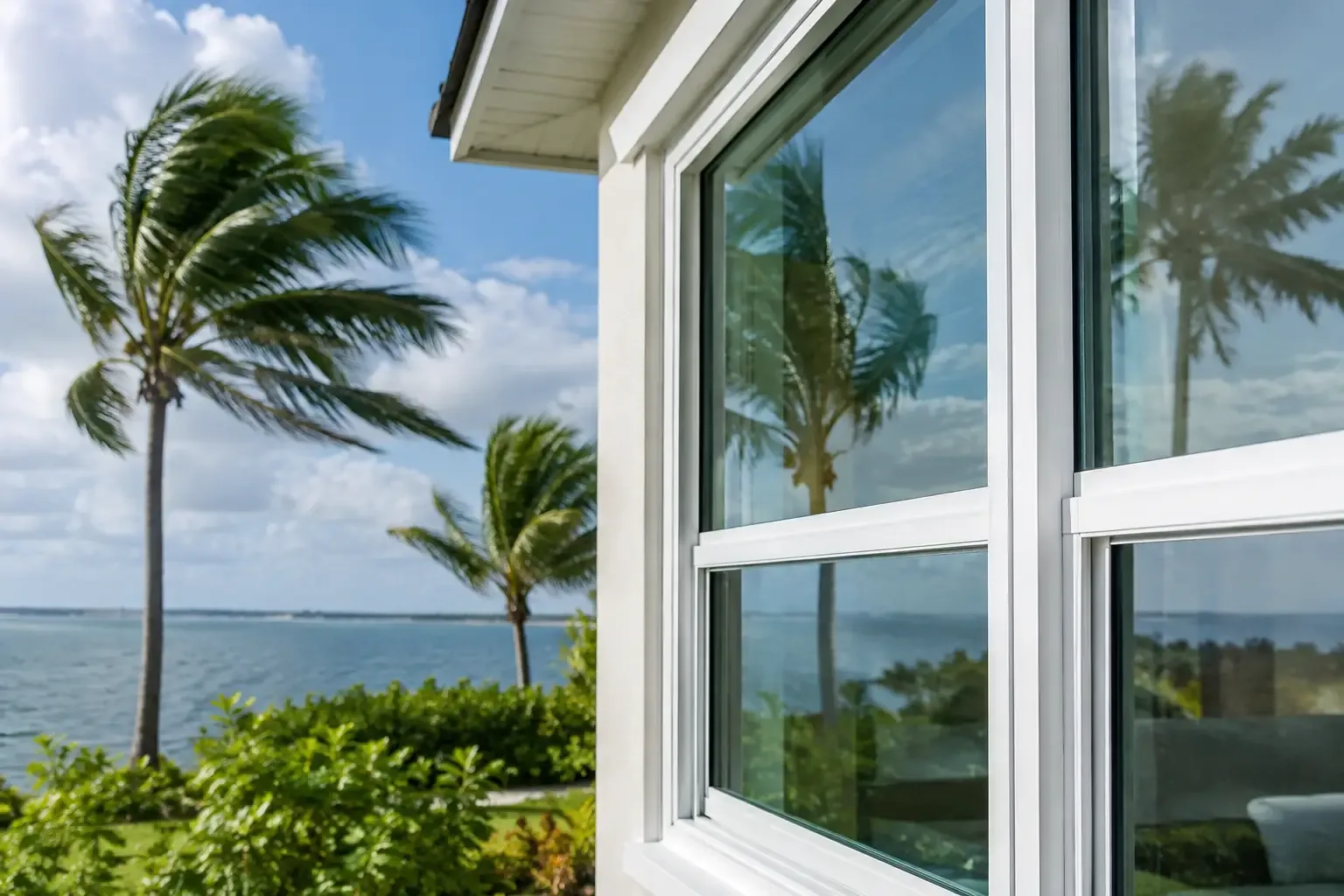
Laminated impact glass is the core protective element in many impact systems. It uses layers of glass bonded with a durable interlayer. When the glass is struck, the interlayer helps hold fragments in place and maintains a barrier across the opening.
But glass alone does not create an impact-rated window. The frame must resist deformation, the glazing must remain captured, locks and rollers must perform under load, and the unit must be anchored correctly into the surrounding structure. A premium product can lose much of its intended performance if it is installed with the wrong fasteners, incorrect edge distances, inadequate substrate conditions, or altered manufacturer details.
Replacement projects require particular attention because existing conditions vary. Older homes may have deteriorated wood bucks, concrete block irregularities, stucco damage, or prior installations that concealed problems around the opening. A qualified contractor evaluates these conditions, removes existing units responsibly, prepares the opening, and installs the new system according to approved details.
At Avrax Impact Windows & Doors, that full-project approach includes product guidance, permitting coordination, installation, cleanup, and final project completion. It gives homeowners one accountable team instead of asking them to manage separate product, permit, and installation decisions on their own.
How to Read a Window or Door Proposal
When comparing impact window quotes, the lowest price is not always the lower-cost decision over time. Two proposals can appear similar while specifying different performance levels, approvals, installation scopes, or finishing details.
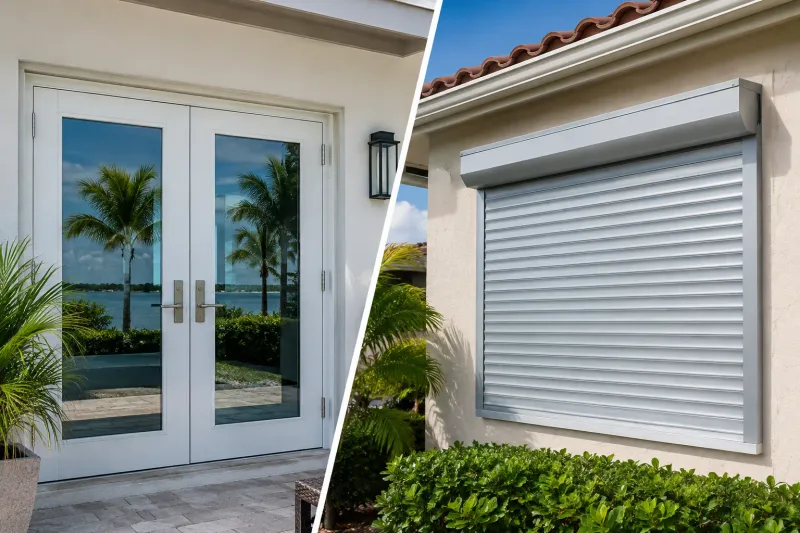
Ask whether the quoted unit is approved for the required design pressure at its exact size. Confirm whether the proposal identifies the manufacturer, series, glass option, and applicable approval documentation. For doors, pay close attention to configuration. A single hinged entry door, French door, and multi-panel slider each have different structural demands and approval limitations.
You should also understand what the installation includes. Does the scope address removal and disposal of existing units, protection of interior finishes, exterior sealant and stucco touch-up, required permits, inspections, and cleanup? If your community has an HOA or condominium association, confirm who will prepare the documents needed for architectural review.
Four practical questions can make comparison easier:
- Is this exact size and configuration approved for my building's required design pressure?
- Does the product carry the appropriate Miami-Dade or Florida approval for this project?
- Are permits, inspections, and any HOA coordination included in the contractor's scope?
- Will the installer follow the manufacturer's approved anchoring and waterproofing details?
Clear answers to these questions are a sign that the contractor is evaluating the complete system, not simply selling glass.
Impact Protection Brings Everyday Benefits
Hurricane performance is the primary reason many South Florida owners choose impact windows and doors, but the benefits continue long after storm season. Laminated glass can improve resistance to forced entry because breaking the outer pane does not create an immediate open passage. It can also reduce outside noise, which is valuable near busy roads, airports, and active commercial areas.
Energy performance depends on the selected glass package, frame, orientation, shading, and air leakage characteristics. Low-E coatings and insulated glass options can help reduce solar heat gain, but the best selection depends on the property. A heavily glazed west-facing room may need a different approach than a shaded front elevation. The right recommendation balances energy goals, appearance, code requirements, and budget without compromising required impact performance.
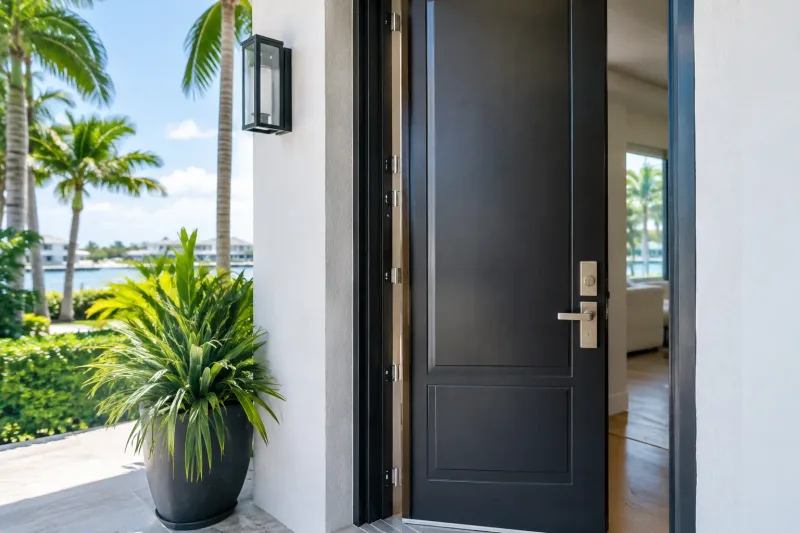
Aesthetics should not be an afterthought. Modern impact systems are available in picture windows, casements, French doors, entry doors, sliders, and large multi-panel configurations. Frame colors, grille designs, glass tints, and hardware choices allow the protection system to support the architectural character of the home or building.
Choose Verified Protection, Not a Vague Promise
Terms such as hurricane-resistant, storm window, and safety glass are often used loosely. For a South Florida property, ask for the documentation behind the claim. Verified approvals, correct design-pressure ratings, code-aware product selection, and certified installation practices are what turn a marketing phrase into real protection.
The strongest investment is one that fits your opening, your location, and your building requirements while being installed with disciplined attention to detail. When you are ready to replace panels, aging windows, or outdated doors, start with a professional evaluation of what your property actually needs. Peace of mind comes from knowing the protection around your family, tenants, or business has been selected and installed to stand up to the conditions it may face.