Impact windows protect South Florida homes from hurricane winds while improving security, comfort, energy efficiency, and long-term property value daily.
A boarded-up home before every storm is not a hurricane plan most South Florida property owners want to repeat. Impact windows provide permanent protection built into the home itself, replacing temporary panels and conventional glass with a tested barrier designed for demanding wind conditions, flying debris, and daily security concerns.
For homeowners, this is not simply a window replacement. It is an exterior upgrade that can protect your family, reduce outside noise, improve comfort, and give the property a cleaner, more finished appearance. The right system also has to meet the requirements of your specific opening, building location, and local code. That is why product selection and installation quality deserve the same attention.
What Impact Windows Are Designed to Do
Impact-rated windows use laminated glass, which consists of two or more layers of glass bonded around a durable interlayer. If the outer glass is struck and cracks, the interlayer helps hold the broken pieces together. The opening is far less likely to become exposed, helping preserve the building envelope during a storm.
That distinction matters during a hurricane. When a conventional window breaks, wind can enter the home or building and rapidly increase internal pressure. Combined with exterior wind forces, that pressure can contribute to serious structural damage. Impact windows are tested to resist wind pressure and impact from specified projectiles under approved standards.
Not every product has the same approval, rating, size limitation, or design-pressure capacity. A large picture window, a second-story opening, and a coastal-facing sliding glass door may require different solutions. South Florida properties should be evaluated by a contractor that understands Miami-Dade approvals, Florida Building Code requirements, and how each opening performs as part of the full exterior envelope.
Impact Windows vs. Hurricane Panels
Hurricane panels can provide protection when they are properly stored, installed, and secured before each storm. They may make sense for certain properties or budget situations. But they also require advance preparation, physical labor, storage space, and confidence that every panel and fastener is ready when a storm changes direction.
Impact windows are always in place. There is no last-minute climb up a ladder, no searching for mislabeled panels, and no need to close off natural light for days while waiting for a storm to pass. For full-time residents, seasonal homeowners, and commercial property managers, that year-round readiness can be a major advantage.
The trade-off is upfront investment. Premium impact products and professional installation typically cost more than basic replacement windows or temporary panels. However, the value extends beyond storm season. Impact glass can improve security, reduce ultraviolet exposure, limit noise, and support long-term property value. The better question is not whether impact windows cost more initially. It is whether a permanent, code-conscious solution makes sense for how you use and protect the property.
The Protection Depends on More Than the Glass
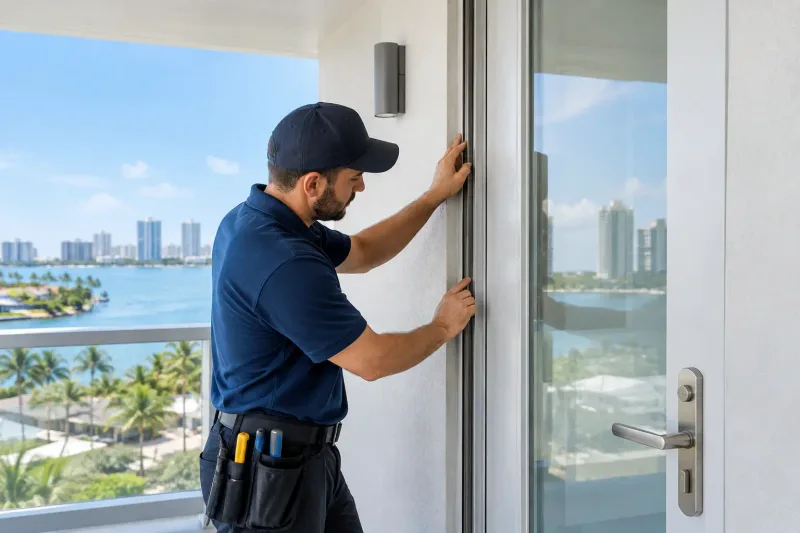
A strong glass package alone does not guarantee a high-performing installation. The frame, anchoring method, fasteners, waterproofing details, opening condition, and product approval all matter. An impact window is a system, and its performance depends on how that system is matched to the building and installed.
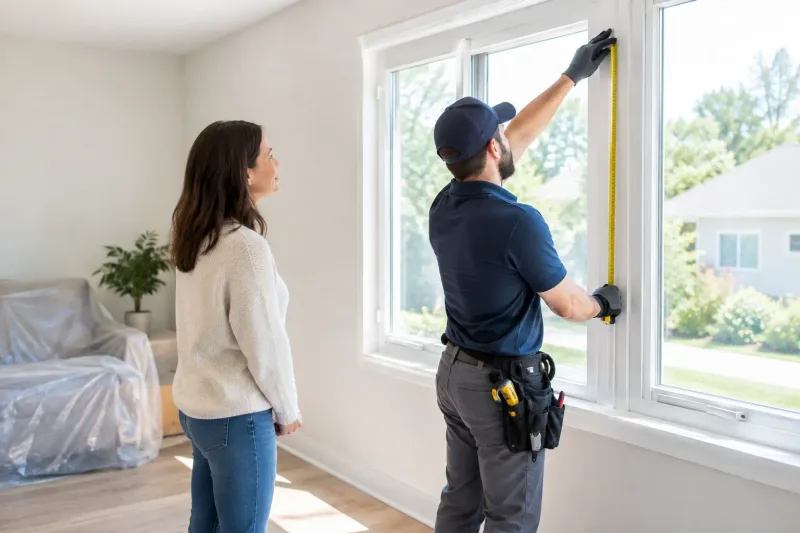
Before work begins, an experienced contractor should measure each opening, identify structural or water-intrusion concerns, confirm the required approvals, and review design options. Older homes can present uneven openings, deteriorated substrates, stucco conditions, or previous installation issues that need to be addressed during planning rather than discovered after a new unit arrives.
Permitting is another critical part of the process. In South Florida, window and door replacement work often requires permits and product documentation that prove the selected system is approved for its intended use. Condominium and HOA communities may also require architectural review, insurance certificates, schedules, and specific finish selections. A full-service team coordinates these details so the project moves forward with fewer avoidable delays.
Choosing the Right Window and Door System
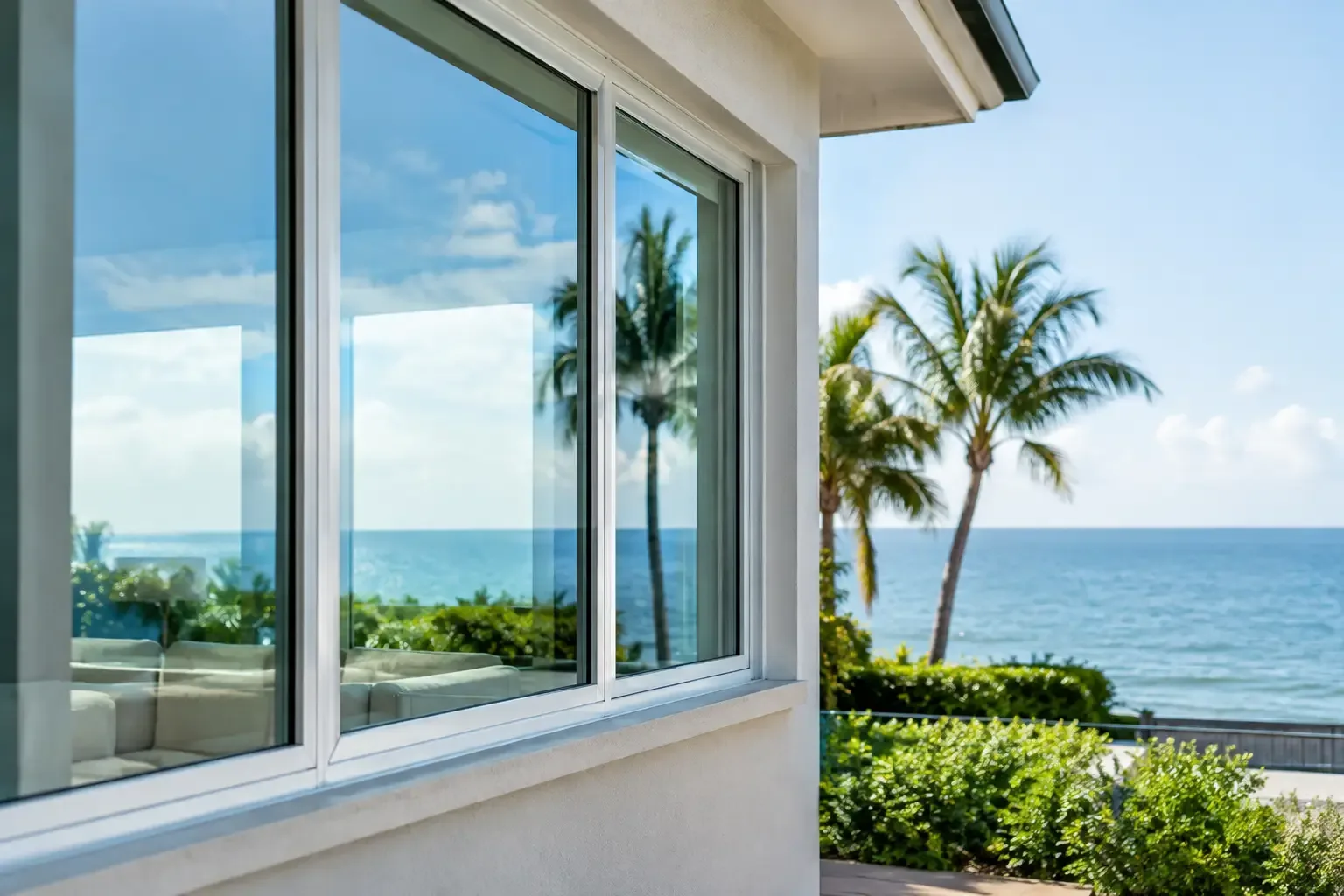
The best choice depends on your home, exposure, aesthetic priorities, and budget. A home with expansive water views may benefit from large fixed units and multi-panel sliding glass doors. A bedroom renovation may call for operable windows that support ventilation while maintaining the same level of protection. A commercial project may prioritize durable framing, large glazed openings, and a polished architectural appearance.
Frame material and profile affect both appearance and performance. Aluminum is a popular choice for its strength and slim sightlines, especially for contemporary designs and larger openings. Vinyl can offer strong insulation and a different visual profile. Glass options also vary. Tints, low-emissivity coatings, and decorative configurations can help manage heat, privacy, glare, and exterior style without losing the purpose of the upgrade.
Do not select products based on appearance alone. Ask whether the unit is approved for the opening size, location, and required design pressure. Confirm how the window will operate, how it will be cleaned, and how it fits with existing doors, shutters, trim, and exterior finishes. A clear proposal should identify the products, scope of work, permit responsibilities, and expected project sequence.
Windows Are Only Part of the Envelope
Entry doors, French doors, patio doors, and sliding glass systems should be evaluated alongside windows. One non-impact door can remain a vulnerable point even after the rest of the home has been upgraded. Reinforced impact doors bring the same focus on wind resistance and security to the most frequently used openings.
This is especially relevant for homes with aging sliders. Older doors can be difficult to operate, allow air leakage, and detract from an otherwise updated interior. Modern impact-rated sliding systems can create wider views and brighter living spaces while delivering the tested protection required for South Florida conditions.
Everyday Benefits After Storm Season
The value of impact windows becomes visible long after the forecast clears. Laminated glass can make forced entry more difficult than standard single-pane glass, helping support everyday security. It also helps reduce the amount of exterior noise that reaches indoor spaces, which can be meaningful near busy roads, airports, schools, or active neighborhoods.
Energy performance is another consideration. Older windows and doors may allow heat gain and conditioned air loss, placing more demand on cooling systems. Modern impact products with appropriate glass coatings and professionally sealed installations can help create a more consistent indoor environment. Results vary based on the home’s orientation, insulation, cooling system, and existing conditions, so savings should be discussed realistically rather than promised as a fixed number.
There is also an ownership benefit that is harder to quantify. Permanent protection reduces storm-preparation stress and eliminates the need to store bulky panels. For owners who travel during hurricane season or manage multiple properties, knowing the glazing is already protected can provide meaningful peace of mind.
What a Controlled Installation Process Looks Like
A well-managed project begins with a detailed consultation and field assessment. From there, the contractor can recommend appropriate window and door configurations, document measurements, prepare permitting materials, and coordinate required HOA approvals. Products are then ordered to fit the approved scope rather than treated as off-the-shelf replacements.
Installation should be organized around protecting the property as well as improving it. Crews remove existing units carefully, prepare each opening, install and anchor the new system according to manufacturer requirements and applicable code, seal and finish the perimeter, and clean the work area as the project progresses. Final inspections and permit closure matter because they document that the work was completed through the proper process.
At Avrax Impact Windows & Doors, that full-project accountability includes helping clients move from product selection through installation, inspection, and completion without having to manage every technical and administrative step themselves.
Questions Worth Asking Before You Sign
Before selecting a contractor, confirm that the proposed products carry the approvals required for your location and opening conditions. Ask who handles permits, whether HOA documentation is included, how existing damage or hidden conditions will be addressed, and what cleanup and final inspection process to expect.
It is also wise to compare proposals beyond the bottom-line price. A lower quote may reflect a different product series, less demanding glass package, excluded permit work, limited finish details, or a narrower installation scope. Compare like for like: product approvals, frame type, glass configuration, door hardware, removal work, engineering requirements, and responsibility for final closeout.
The right impact-window project should make your property safer without making the process harder. Start with an evaluation of the openings you rely on most, the storm exposure your property faces, and the level of performance you expect for years ahead. A carefully selected, properly installed system gives you protection that is present every day, not just when a hurricane warning is issued.