A condo door retrofit can meet Florida code, protect against hurricanes, satisfy HOA rules, and improve security, comfort, energy efficiency, and value.
A condo door retrofit is not a simple door swap in South Florida. Your entry door is part of the building envelope that protects your home from wind pressure, windborne debris, water intrusion, forced entry, and outside noise. The right replacement can improve daily comfort and hurricane readiness at once. The wrong product, measurement, or installation approach can create permit delays, HOA disputes, threshold leaks, and performance gaps when a storm arrives.
For condominium owners, the process also has an added layer of responsibility. The door may serve a private residence, but its appearance, opening conditions, and exterior performance can affect the entire building. A successful project starts with the association documents and ends only after the door is properly installed, inspected, and finished.
What a Condo Door Retrofit Should Solve
Many older condo doors were installed before current impact standards became routine. They may have thin metal skins, aging wood cores, weak frames, conventional glass inserts, worn weatherstripping, or locks that no longer align correctly. Even a door that appears acceptable from inside the unit may have corrosion at the sill, gaps around the frame, loose hinges, or inadequate anchoring behind the trim.
A properly planned retrofit should address more than appearance. It should provide a tested, approved system appropriate for the opening and local code requirements; a secure frame-to-wall connection; water management at the sill and perimeter; and hardware that operates smoothly without compromising the door’s rated performance. When glass is part of the design, the glazing, frame, door slab, hinges, locks, and installation details must work as one system.
That distinction matters during hurricane conditions. A strong door panel alone does not guarantee protection if the frame, fasteners, threshold, or surrounding opening cannot support the required pressures. Impact performance is a system outcome, not a feature added after installation.
Start With Ownership and HOA Requirements
Before selecting a style, confirm who is responsible for the existing door. Condominium declarations, bylaws, and association rules may classify exterior doors differently from one property to another. In some communities, the owner is responsible for replacement; in others, the association controls the exterior door, frame, finish, or approved product specifications.
HOA approval often covers visible details such as color, panel design, glazing pattern, hardware finish, swing direction, and exterior trim. It may also require drawings, product approvals, insurance documentation, contractor licensing, and a defined work schedule. Buildings with elevators, restricted loading areas, or limited parking may have additional rules for delivery and debris removal.
Do not order a door based solely on a showroom preference before this review. A beautiful custom door that does not meet the association’s design standards can slow the project and add unnecessary expense. A qualified contractor can help organize product information and coordinate the approval process, but the association’s written requirements should guide the selection from the beginning.
Choose an Impact-Rated Door System, Not Just an Impact Door
South Florida door selection should begin with the product’s approval documentation and design pressure rating for the specific application. Miami-Dade approvals and Florida Product Approval requirements are particularly relevant throughout the region, but the exact code path depends on the property location, building type, opening size, exposure, and permit requirements.
Entry doors, French doors, and sliding glass doors each have different considerations. A single hinged entry door may be ideal for a compact condo entry because it provides strong security and a controlled seal. French doors can bring light and architectural character, though they require careful attention to active and inactive panel hardware, astragals, and locking points. Sliding glass systems can transform a balcony opening, but larger panels, tracks, drainage, and structural conditions demand precise engineering and installation.
For doors with glass, laminated impact glass is designed to remain in place after an impact, helping preserve the building envelope. That can reduce the need for temporary hurricane panels at the opening, depending on the approved system and local requirements. It also adds a meaningful layer of burglary resistance because the interlayer holds broken glass together.
Style still matters. Condo owners can choose from contemporary flush designs, traditional panels, decorative impact glass, sidelites, and finishes that complement the building. The practical priority is to select a design that is available as a rated assembly and approved for the conditions of your opening.
Measure the Opening and Investigate What Is Behind the Frame
A door retrofit can become complicated when the existing opening reveals hidden deterioration. Coastal humidity, salt air, past water leaks, and years of movement can affect the sill, jambs, concrete, wood bucking, or adjacent finishes. Covering these issues with new trim is not a repair.
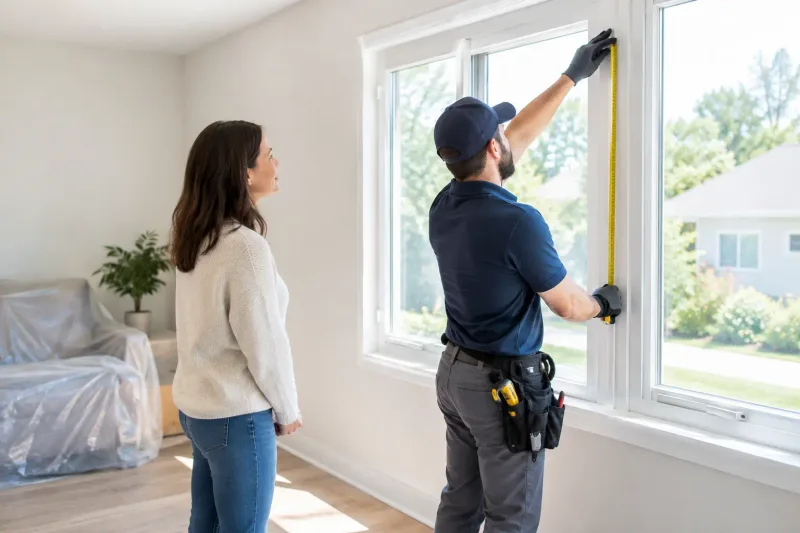
A professional field assessment should verify the rough opening dimensions, wall construction, floor elevation, swing clearance, condition of the substrate, and threshold transitions. In a high-rise or mid-rise condominium, the team may also need to account for corridor finishes, fire and life-safety requirements, common-area access, and building management procedures.
This is where custom fitting matters. An impact-rated door that is manufactured to the wrong size or installed over an unstable substrate may not operate correctly or perform as designed. The goal is a clean, secure opening that accepts the new system according to the manufacturer’s instructions and applicable building requirements.
Installation Details Determine Long-Term Performance
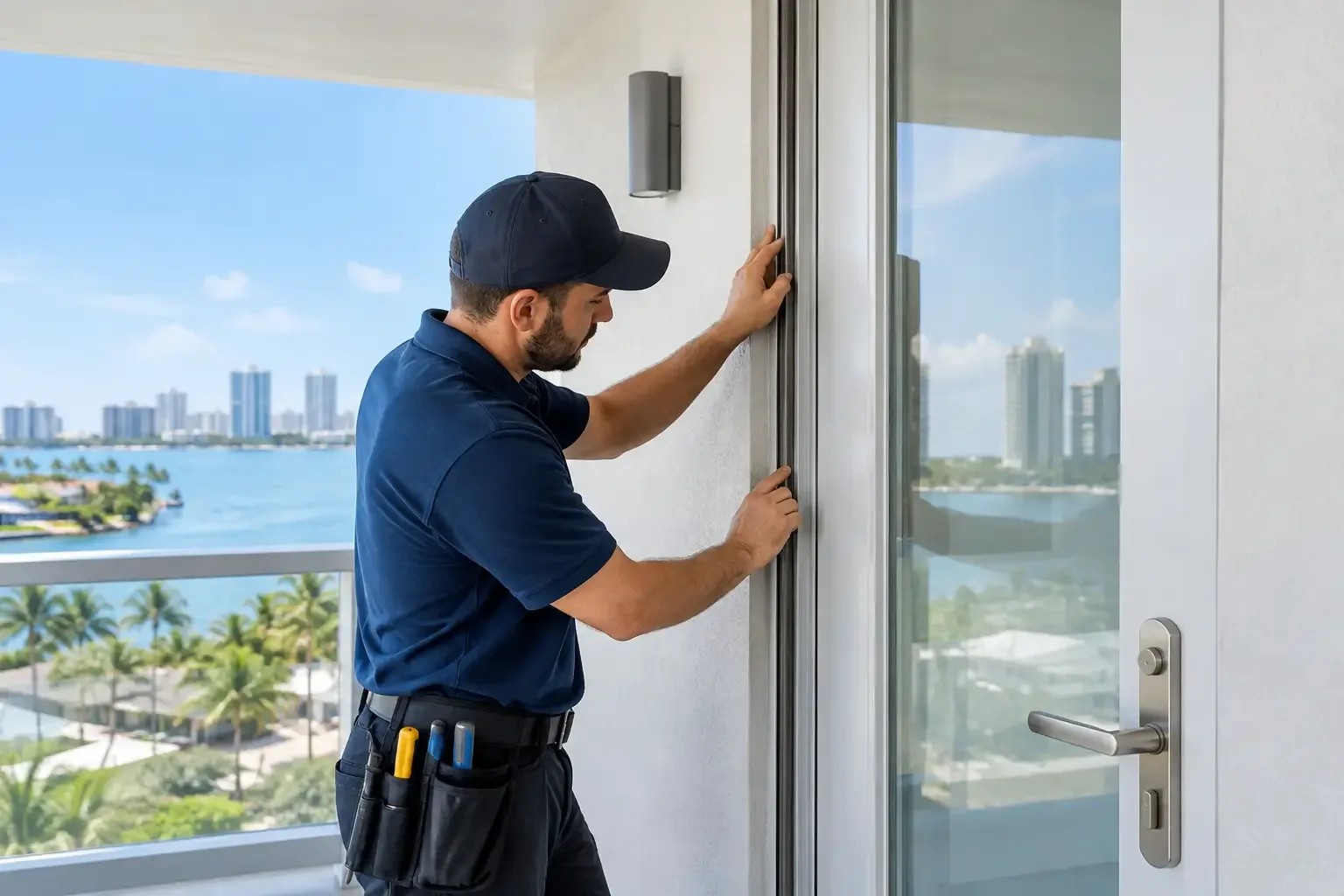
The visible portion of a new door is only part of the finished work. Behind the trim, installation details control how the assembly resists wind loads and manages water. The frame must be anchored using the correct fastener type, spacing, and embedment for the wall condition. Shims must support the frame without distorting it. The sill, jambs, and head require compatible sealing methods that prevent water intrusion while allowing the door to drain as intended.
Threshold work deserves particular attention in condos. A threshold that is too high can create a trip concern; one that is too low or improperly sealed can allow water to enter. Balcony-facing doors may require especially careful drainage planning because wind-driven rain can collect at tracks and sill areas.
After installation, the door should be checked for consistent reveals, smooth swing or slide operation, full locking engagement, weatherstrip contact, and finish quality. A rushed crew can make a premium door look acceptable on day one while leaving alignment or sealing problems that appear during the first heavy rain. Certified installation standards protect the value of the product you selected.
Permits, Inspections, and Building Coordination Are Part of the Project
A condo door replacement may require a permit even when the project involves a single opening. Requirements vary by jurisdiction and scope, so assumptions are costly. Permitting is not paperwork for its own sake. It creates a documented path showing that the selected system, installation approach, and final work meet applicable requirements.
The most efficient projects coordinate product approvals, HOA authorization, permit submission, delivery timing, and installation access before work begins. That is particularly valuable in occupied condominiums, where elevator reservations, work-hour restrictions, parking access, and debris handling affect every stage of the job.
At Avrax Impact Windows & Doors, the full-project approach includes helping clients manage these moving parts, from product selection and HOA coordination through installation, cleanup, inspection support, and permit closure. That accountability helps homeowners avoid being left to coordinate manufacturers, installers, and building management on their own.
How to Compare Condo Door Retrofit Proposals
A low quote can be appealing, but compare proposals by scope rather than price alone. Confirm the exact manufacturer, model, glass configuration, finish, approval information, hardware, and installation method. Ask whether the proposal includes removal and disposal of the existing unit, substrate repairs if needed, interior and exterior finishing, permit fees, HOA documentation, inspections, and final cleanup.
Also clarify what happens if hidden conditions are discovered after removal. Concrete repairs, damaged bucking, corroded fasteners, and floor-level issues are not always visible during an initial visit. A professional proposal should explain how change conditions are documented and approved rather than leaving you with vague allowances.
Financing can make a premium impact door more attainable, but product quality and installation competence should remain the deciding factors. A door protects an opening that may be exposed to Category 5 wind conditions. It is not the place to accept uncertain ratings, incomplete paperwork, or shortcuts behind the frame.
The Right Time to Plan Your Upgrade
Hurricane season is not the ideal time to begin a door replacement decision. Demand, lead times, building schedules, and permit volume can all increase as storms approach. Planning ahead gives you more time to review HOA requirements, select the right design, and schedule work around your building’s operations.
If your condo door shows corrosion, recurring leaks, difficult operation, damaged glass, weak locks, or visible frame movement, treat it as a protection issue rather than a cosmetic inconvenience. A well-managed retrofit gives you a door that feels solid every day, looks appropriate for the property, and is prepared for the weather South Florida can deliver.