
Use this condo renovation planning guide to coordinate HOA approvals, permits, impact windows, budgets, and installation timing in South Florida condos.
A condo renovation can look straightforward until one decision affects the building exterior, association rules, permit requirements, elevator access, or the neighbors on both sides of your unit. This condo renovation planning guide is built for South Florida owners who want a finished space that looks better, performs better, and meets the standards that protect the entire property.
The strongest projects are planned in the right order. Rather than selecting finishes first and solving approvals later, start with the work that controls safety, code compliance, building performance, and schedule. For many condos, that includes windows, sliding glass doors, entry doors, plumbing changes, electrical work, and any alteration to walls or flooring.
Start With the Association, Not the Showroom
Condominium ownership comes with a shared responsibility: your unit is private, but much of its envelope and infrastructure may be governed by the association. Windows and exterior doors are the clearest example. Even when an owner is responsible for replacement costs, the association may control approved product styles, frame colors, glass appearance, installation methods, and the timing of work.
Request the governing documents before committing to a design. Review the declaration, rules and regulations, architectural review process, renovation agreement, insurance requirements, contractor requirements, and construction-hour restrictions. Ask whether your building has a standard window and door package or a required manufacturer list. A product that is approved for one unit may not be acceptable for another building in the same community.
Also confirm who is responsible for approvals. Some associations require the owner to submit all documents. Others work directly with the contractor, property manager, or board. Do not assume a verbal approval is enough. Get the required authorization in writing before ordering custom materials.
Build Your Condo Renovation Planning Guide Around Scope
A clear scope prevents the most expensive kind of change: the one discovered after materials are ordered or crews are already on site. Define what stays, what is removed, and what must be brought up to current code.
Walk the unit with qualified trades and note the condition of the windows, doors, seals, balconies, electrical panel, plumbing shutoffs, HVAC registers, ceilings, and flooring transitions. Water staining around a window may point to a failed seal, an exterior drainage issue, or a building-envelope concern. A sliding door that drags may need more than new rollers if the frame is corroded or the opening is out of square.
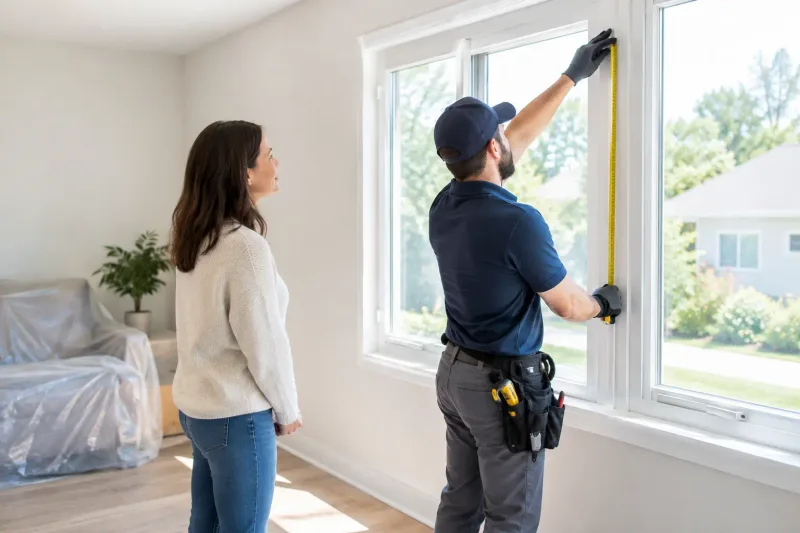
For exterior upgrades, ask for exact measurements, product specifications, glass options, hardware selections, and installation details. In South Florida, impact-rated windows and doors should be selected for the project’s required design pressures and applicable approvals, not simply because a product is labeled hurricane resistant. The correct unit must match the opening, building conditions, and Florida Building Code requirements.
Separate needs from preferences
Start with non-negotiables: hurricane protection, water resistance, security, required egress, code compliance, and association approval. Then weigh preferences such as sightlines, frame finish, grid patterns, tinted glass, hardware color, and panel configuration.
This distinction matters when the budget needs adjustment. A premium sliding glass system may be a worthwhile investment for a waterfront view or a large opening, while a decorative upgrade in a secondary room may be easier to defer. Good planning protects performance first, then allocates funds to the details you will enjoy every day.
Plan the Budget Beyond the Product Price
A condo renovation budget should include more than cabinets, flooring, or replacement windows. Professional installation, permits, engineering when required, association deposits, elevator reservations, debris removal, protection of common areas, and final inspections can all affect the total investment.
With impact windows and doors, the lowest quote is rarely the complete comparison. Ask whether the proposal identifies the manufacturer, series, glass package, hardware, permit responsibility, removal of existing units, protection of interior finishes, disposal, and final cleanup. Confirm whether required repairs to the opening are included or billed separately if discovered after removal.
Keep a contingency reserve for existing-condition issues. Older condos can reveal deteriorated substrates, concealed water damage, electrical corrections, uneven openings, or prior work that does not meet current requirements. The size of that reserve depends on the age and condition of the unit, but it should be a planned part of the budget rather than an unwelcome surprise.
Financing can make a major exterior upgrade more manageable, but compare payment terms with the long-term benefit. Permanent impact protection may replace the repeated labor and storage burden of hurricane panels while contributing to security, noise reduction, energy performance, and curb appeal. The value is strongest when the product and installation are built to last.
Coordinate Permits, Product Approvals, and Building Access
Permit requirements vary by municipality and by project scope. Replacing windows or doors in South Florida typically requires permits, and the documentation may include product approvals, installation instructions, drawings, or engineering details. Miami-Dade-approved products are widely recognized for demanding testing standards, but the appropriate approval and installation configuration must still be verified for the specific project.
A full-service contractor should establish who will prepare the permit package, respond to reviewer comments, schedule inspections, and close the permit after the work is complete. Permit closure matters. An open permit can complicate a future sale, refinancing, insurance review, or association record.
Condo logistics deserve equal attention. Coordinate delivery routes, loading docks, elevator use, parking, work hours, crew access, and daily cleanup expectations. Some properties require certificates of insurance, background screening, refundable deposits, and protective coverings in hallways and elevators. These requirements are not paperwork for paperwork’s sake. They protect the building and prevent avoidable delays on installation day.
Choose Windows and Doors for Performance, Not Just Appearance
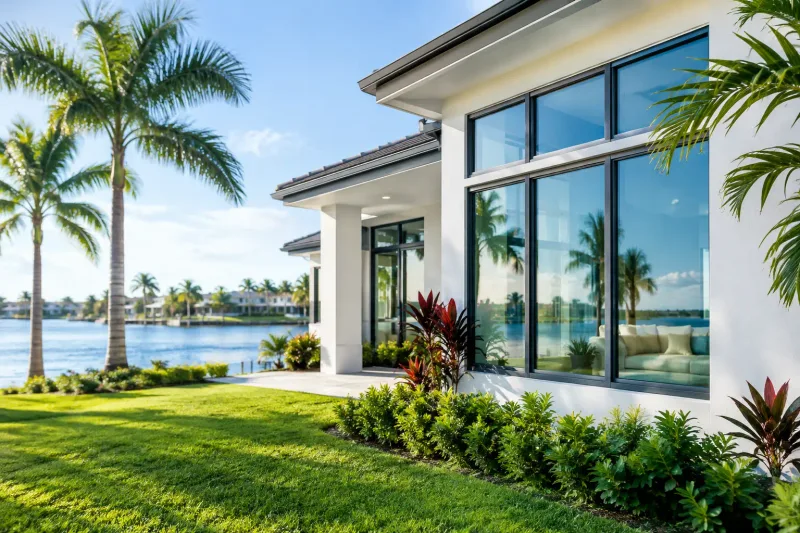
Impact glass is a major decision in a South Florida condo because it changes both the appearance and the level of protection at the building envelope. Laminated impact glass is designed to remain in place when struck, helping reduce wind-driven rain and debris intrusion during severe weather. It can also improve security and reduce outside noise compared with many older non-impact systems.
However, not every frame profile, door style, or glass option fits every opening. A high-rise may have different pressure requirements than a low-rise building. A wide patio opening may call for a multi-panel sliding system, while a narrower opening may be better served by a French door or single swing door. Existing wall conditions, sill height, balcony exposure, and the association’s architectural standards all influence the right choice.
Ask to see the operating features before making a final selection. Test how a sliding door moves, how a casement or single-hung window opens, where screens sit, and how hardware feels in hand. A beautiful system that is difficult to operate or clean will not feel premium for long.
Set a Sequence That Protects Finished Work
The usual order of renovation work should protect finished surfaces from dust, vibration, moisture, and damage. Structural or opening-related work, window and door replacement, rough electrical and plumbing, drywall repairs, flooring, cabinetry, paint, and final trim often follow that logic. The exact sequence changes with the scope, but installing delicate finishes before exterior opening work is usually a costly mistake.
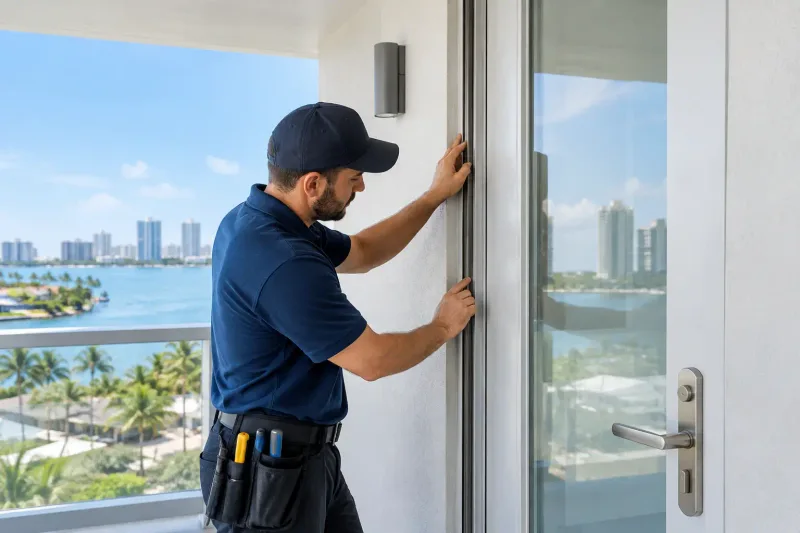
If you are replacing windows or sliding doors, plan for temporary disruption. Furniture may need to move away from openings, window treatments may need removal, and installers need clear access inside and outside the unit. Professional crews should protect floors and furnishings, remove old units safely, keep the work area organized, and leave the space clean at completion.
Communication is part of schedule control. Confirm material lead times before setting expectations for demolition or interior finishes. Custom impact products are not an off-the-shelf purchase, and association approval or permit review can affect the start date. Build reasonable flexibility into the timeline, especially during hurricane season and periods of high demand.
Make the Final Walkthrough Count
Before final payment and permit closure, inspect the completed work carefully. Open and lock each window and door. Review glass, frames, screens, hardware, sealant lines, interior trim, and exterior finishes. Confirm that required labels remain in place and that you receive product information, warranty documents, care instructions, and permit records.
Document any punch-list items in writing and agree on a resolution date. A professional contractor should remain accountable through final corrections, inspections, cleanup, and closeout, not disappear once the installation is complete.
Your condo should not force a choice between a polished design and serious protection. When planning starts with approvals, code requirements, precise product selection, and accountable installation, the result is a home that feels more secure every time the forecast changes. For South Florida owners, a qualified partner such as Avrax Impact Windows & Doors can help keep that process organized from the first measurement through final permit closure.