Learn how to prepare home for window installation in South Florida, from permits and access to protecting interiors to a clean, professional installation.
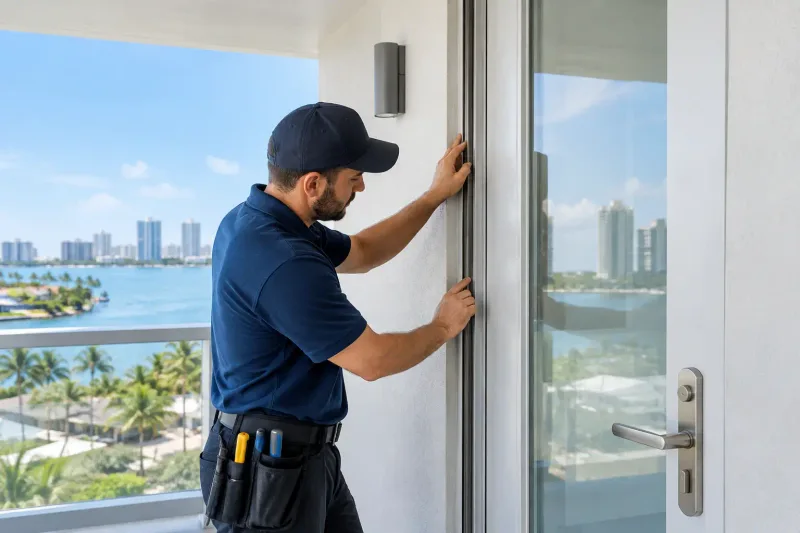
A window replacement project changes more than the view from your living room. On installation day, crews need safe access inside and outside the home, existing units must be removed carefully, and each new impact window has to be set, sealed, and secured to meet its approved installation requirements. Knowing how to prepare home for window installation helps protect your belongings, keeps the project moving, and gives your installation team the working conditions needed to deliver lasting hurricane protection.
For South Florida property owners, preparation also supports the larger goal: a properly managed upgrade that improves safety, security, energy performance, and peace of mind before the next storm season.
Prepare Home for Window Installation Before Crews Arrive
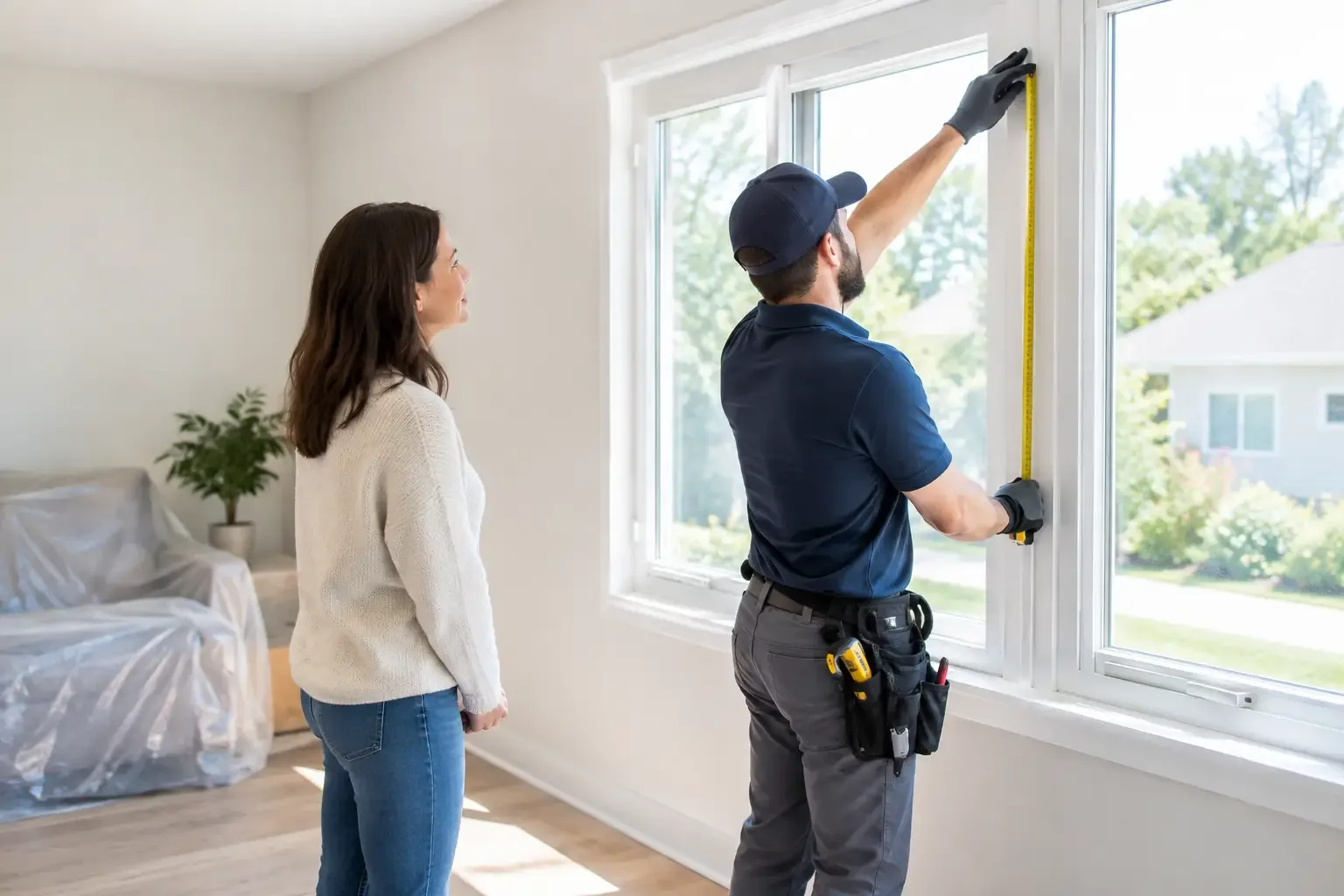
The best preparation begins several days before the scheduled installation. Your contractor should confirm the scope of work, expected schedule, access needs, and any special considerations for your home or building. Review the plan while there is still time to address questions about parking, pets, alarms, HOA procedures, or rooms with limited access.
If your community requires advance notice, make sure gate access, elevator reservations, loading rules, and parking permissions are in place. Condominiums and managed communities may also have approved work hours or requirements for protecting common areas. These details may seem administrative, but they prevent delays that can affect an entire installation day.
For projects involving permits, do not remove existing windows or doors on your own unless your contractor specifically instructs you to do so. Impact-rated products must be installed according to the approved product, site conditions, and Florida Building Code requirements. Professional coordination protects the integrity of the project from the opening measurement through final inspection and permit closure.
Confirm who needs to be home
An adult decision-maker should generally be available at the start of the project and reachable throughout the day. The crew may need to confirm a question about access, an existing condition, trim details, or the location of utilities and security devices.
You do not need to supervise the work room by room. A professional installation crew should manage the process, protect work areas, communicate clearly, and keep the site organized. Being available for necessary decisions is usually enough.
Clear Each Window and Door Opening
The most helpful step a homeowner can take is creating a clear work zone around every opening. Installers need room to remove the existing unit, bring in the replacement window or door, inspect the opening, and complete fastening, sealing, and finishing work.
Move furniture, lamps, wall decor, and fragile items away from windows. A clearance of several feet is ideal when space allows. For large sliding glass doors, French doors, or entry doors, create a wider path from the exterior entry point to the opening so the crew can safely maneuver heavy materials.
Remove window treatments when possible, including curtains, blinds, shades, and removable valances. This prevents damage and gives installers full access to the frame. If you have specialty coverings, motorized shades, or custom-built trim that cannot be easily removed, point it out during the pre-installation discussion. It may require extra care, a separate service provider, or a plan for reinstallation after the work is complete.
Keep nearby countertops, shelves, and tables clear as well. Even with careful containment, window removal can create vibration and dust. Small decorative pieces, glassware, and electronics are best moved to another room until work is finished.
Protect Interiors From Dust and Vibration
Replacing windows is construction work. Qualified installers use protective coverings and clean as they go, but some dust, noise, and vibration are normal when old frames, fasteners, stucco returns, or interior trim are disturbed.
Cover furniture that cannot be moved with clean sheets or plastic sheeting. Roll up area rugs near work zones if they are valuable or difficult to clean. If a room contains delicate artwork, collectibles, or equipment, relocate those items rather than relying on a cover alone.
Homes with older finishes deserve extra attention. Existing paint, plaster, drywall, tile, and trim can respond differently during removal, particularly when the original window system is aged, corroded, or embedded in masonry. An experienced contractor will assess conditions and use appropriate methods, but no responsible professional should promise that every concealed condition can be identified before an existing unit comes out.
If you work from home, plan for interruptions. Installation noise can make calls difficult, especially during removal and fastening. Choose a room outside the active work area, schedule important meetings elsewhere, or plan a quieter workday off-site.
Make the Exterior Safe and Accessible
Impact windows and doors are substantial products, and safe exterior access matters as much as interior preparation. Clear patio furniture, potted plants, grills, garden decor, and other movable items away from the outside of each opening. This protects your property and provides room for ladders, tools, removal debris, and new units.
Trim back vegetation that touches window frames or blocks access. Crews should not have to work around sharp branches, dense hedges, or sprinkler heads that create tripping hazards. If landscaping is valuable or difficult to move, discuss it before the project starts so the team can determine the best approach.
Driveways and designated work areas should be available for the installation crew and material delivery. New impact windows, reinforced doors, glass panels, and hardware must be staged securely. Avoid parking vehicles directly beneath or immediately beside windows being replaced, particularly on multi-story homes.
For commercial properties, coordinate a clear path through receiving areas, corridors, storefront zones, or tenant spaces. The installation plan may need to account for customers, employees, security procedures, and business hours. In occupied buildings, phased work can reduce disruption, but it requires clear communication before materials arrive.
Plan for Children, Pets, and Security Systems
Installation day brings unfamiliar people, open wall openings during removal, loud tools, and frequent trips in and out of the home. For children and pets, the safest arrangement is usually to stay away from active work areas or make alternate plans for the day.
Dogs may become stressed by noise and changing access points, while cats can slip through an open doorway or temporarily unsecured opening. Keep pets in a closed, comfortable room away from the work zone, or arrange care off-site if that is the better fit for your household.
Security systems deserve equal attention. Tell your contractor about window contacts, glass-break sensors, cameras, smart locks, and alarm wiring before work begins. You may need to place the system in service mode or coordinate with your monitoring provider. After installation, arrange to have sensors or contacts reconnected and tested so the new protection does not leave a gap in your home security plan.
Understand What Happens During Installation
A professionally managed window project follows a controlled sequence, but the exact pace depends on the size of the job, access conditions, weather, and what is found once the existing windows are removed. One opening may be completed quickly, while a large multi-panel slider or a unit with concealed damage may require additional time and careful correction.
The crew typically protects the work area, removes the existing unit, evaluates the opening, installs and anchors the new product, applies approved sealants and waterproofing details, and completes necessary interior and exterior finishing. Each impact window or door must be correctly fitted to perform as designed during wind pressure, wind-borne debris events, and everyday use.
Do not judge completion solely by whether the glass is in place. Proper fastening, alignment, sealant application, drainage considerations, and operational testing are all part of the installation quality that protects your investment. This is one reason product approval and certified installation standards should carry as much weight as the window brand itself.
Prepare for Final Walk-Through and Cleanup
Before the crew leaves, walk through the completed areas with the project representative. Open and close windows and doors, confirm locks engage properly, and note any questions about screens, handles, glass labels, cleaning, or operating larger sliding systems. New windows and doors may feel different from the units they replaced, especially when moving from aging aluminum frames to modern impact-rated products.
Ask where project debris will be placed and when final cleanup will occur if the work spans multiple days. Professional crews should remove job-related materials, collect obvious debris, and leave the work area orderly. Homeowners should still inspect patios, driveways, and interior floors after the project, particularly if children or pets use those spaces.
Keep manufacturer information, permit documents, warranties, and final project records in a safe place. These documents can be useful for future maintenance, insurance discussions, resale, and verification of your home's hurricane-protection upgrades.
A well-prepared home lets your installation team focus on what matters most: setting each approved window and door correctly, protecting the property during the process, and delivering the confidence that comes from a home built to stand stronger against South Florida conditions. When questions arise before installation day, ask them early. Clear communication is one of the most valuable protections in any impact-window project.