Learn how impact windows energy efficiency savings can lower cooling demand, improve comfort, and strengthen South Florida homes through every hot season.
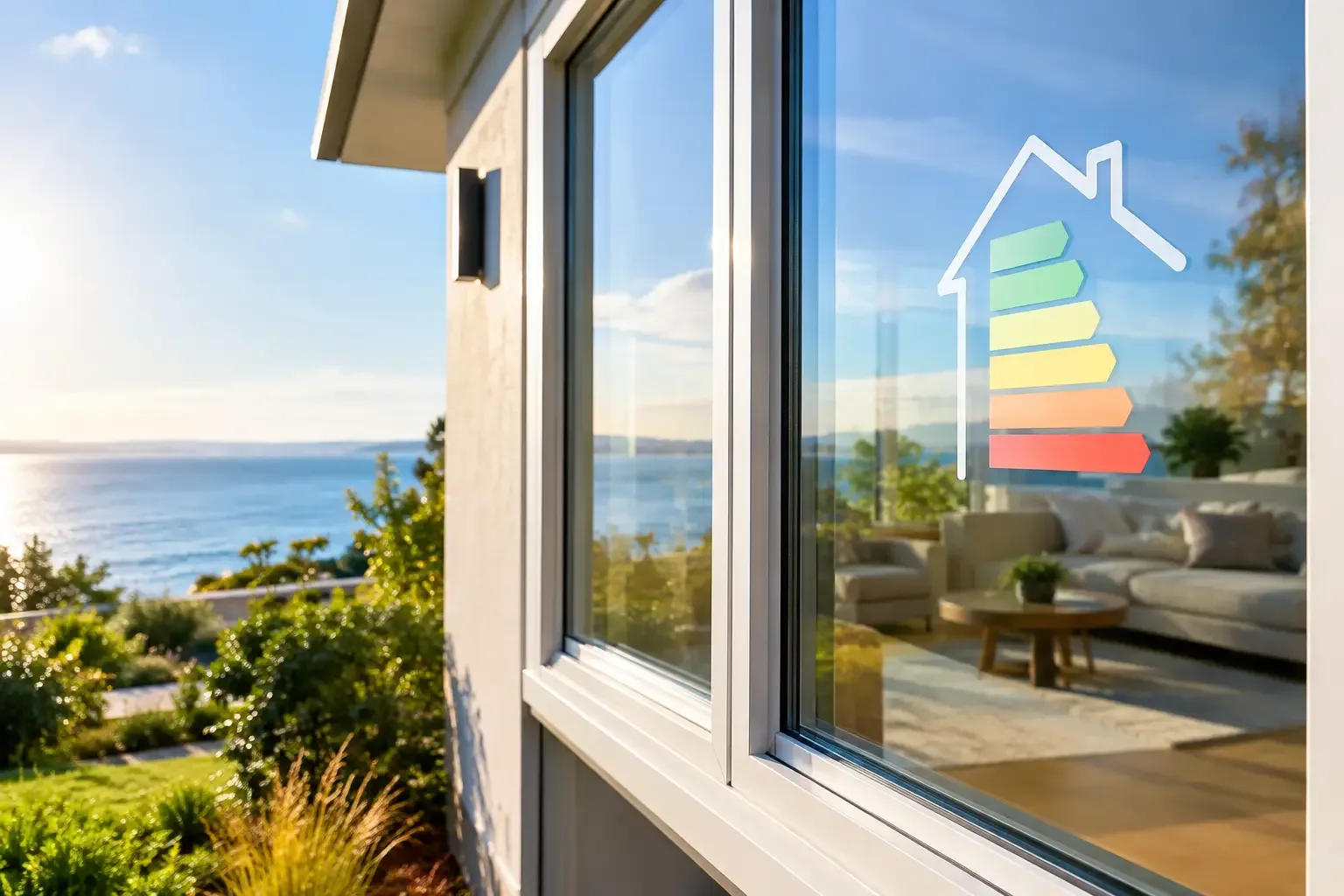
A South Florida home can feel the difference between ordinary glass and a properly selected impact system long before the electric bill arrives. When afternoon sun pushes against old aluminum frames, worn weatherstripping, and single-pane glass, air conditioning has to work harder to maintain a comfortable indoor temperature. Impact windows energy efficiency savings come from reducing that heat transfer and unwanted air movement while providing the permanent storm protection homeowners need.
That does not mean every impact window delivers identical savings. Glass package, frame design, orientation, shading, installation quality, and the condition of the existing openings all affect performance. The strongest decision is one that balances Miami-Dade-approved hurricane protection with the thermal specifications that fit your property.
Why Old Windows Raise Cooling Costs
South Florida's cooling season is not limited to a few summer months. Heat, humidity, direct sun, and warm exterior surfaces can challenge an air-conditioning system for much of the year. Older windows and sliding glass doors are often among the least efficient parts of the building envelope, especially when seals have deteriorated or the original glazing was not designed for current performance expectations.
Heat enters through glass by direct solar radiation and by conduction through the glass and frame. It also enters when outside air leaks through gaps around movable sashes, sliders, locks, or perimeter seals. Air conditioning then removes that added heat and, in many cases, the moisture that arrives with it.
Replacing outdated units can improve comfort in rooms that become noticeably hotter in the afternoon. A bedroom facing west, a sunroom with large glass areas, or a living room with aging sliders may be a priority even when the rest of the home feels acceptable. The goal is not simply a lower thermostat setting. It is a more consistent indoor environment with less strain on the cooling equipment.
How Impact Windows Energy Efficiency Savings Work
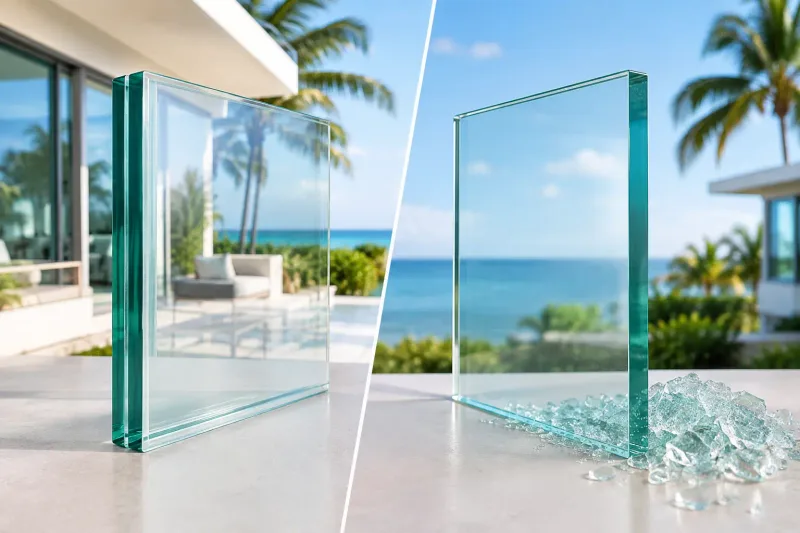
Impact windows are built to remain in place during severe wind events and resist penetration from windborne debris. Their laminated glass construction typically includes two panes bonded with a durable interlayer, while reinforced frames, glazing, and hardware support the full tested system. That construction supports safety and security, but energy performance depends on the complete product configuration.
Solar heat gain control
The Solar Heat Gain Coefficient, or SHGC, measures how much solar heat passes through a window. Lower values generally mean less solar heat enters the home. In South Florida, SHGC is often a central consideration because intense sun can add a significant cooling load, particularly on unshaded east- and west-facing elevations.
Low-E coatings can help manage solar heat while preserving useful daylight. The right coating is not a one-size-fits-all selection. Homeowners with expansive water views may place a high value on glass clarity, while a home with direct western exposure may prioritize stronger solar control. A professional consultation should consider both the architecture and the way each room is used.
Insulation through glass and frames
U-factor measures how readily heat moves through a window assembly. Lower U-factor values indicate better resistance to heat transfer. Although Florida's climate places greater emphasis on reducing solar gain than retaining winter heat, an efficient glass-and-frame package still helps limit heat movement and supports steadier interior temperatures.
Frame material and construction matter here. Quality impact frames are engineered to support large, heavy laminated glass panels while maintaining dependable seals. A premium system should be evaluated as a complete assembly, not as glass alone. The frame, spacer, glazing, hardware, weatherstripping, and installation all influence real-world performance.
Less unwanted air movement
Air leakage is easy to overlook because it may not be visible. Yet worn sliders, loose frames, and old seals can allow humid outside air into conditioned spaces. High-performance impact windows and doors use compression seals, properly designed tracks, and secure locking systems to limit infiltration when closed.
The result can be especially noticeable near large patio doors and older operable windows. Better seals do not replace proper ventilation or solve every humidity issue in a home, but they can reduce one common source of warm, humid air entering the building.
The Numbers That Deserve Attention
A window quote should include more than a product name and a price. Ask to review the specific performance labels and approvals for the proposed configuration. This helps prevent comparisons between products that appear similar but use different glass packages, dimensions, or ratings.
Focus on the U-factor, SHGC, and air infiltration information where available. Also confirm the product's applicable Florida approvals and Miami-Dade requirements for the project location. For impact products, design pressure ratings, approved installation methods, and the exact opening size are equally important. A high-performing window is only valuable if it is engineered and installed to perform safely in your building.
Visible transmittance may also matter for homeowners who want bright interiors without excessive glare. Lower solar heat gain can be beneficial, but extremely dark glass may change the appearance of a room and affect views. The best choice is usually a targeted balance rather than choosing the lowest number in every category.
Installation Is Part of the Energy Plan
Even a premium impact window can underperform if it is installed carelessly. Gaps at the perimeter, incomplete sealant work, poor shimming, drainage problems, or damage to surrounding finishes can compromise comfort and create avoidable maintenance issues. In hurricane-prone communities, installation also has direct structural and code implications.
A full-service contractor should evaluate the existing opening, confirm measurements, identify substrate conditions, coordinate permits, and use the approved anchoring and sealing approach for the selected system. This is particularly important in replacement projects where concealed deterioration, irregular openings, or prior installation errors may only become clear after the old units are removed.
For condominiums and HOA-governed communities, the process may also include architectural approvals and building-specific requirements. Managing those details before installation helps keep the project controlled and protects the property's compliance record.
Where Savings Are Most Likely to Be Felt
Energy savings vary widely, so responsible planning avoids promising a fixed percentage reduction. A home with shaded openings, recently serviced air conditioning, and relatively new insulated glass may see a different result than a home with leaky single-pane windows and large unshaded sliders. Utility rates, thermostat habits, occupancy, insulation levels, and duct condition also influence monthly bills.
The practical benefits often appear in several ways at once: rooms may feel less hot near glass, the air conditioner may cycle more predictably, indoor humidity may be easier to manage, and outdoor noise can be reduced. Laminated glass also provides a meaningful security advantage and can help protect furnishings from some UV exposure, depending on the glass configuration.
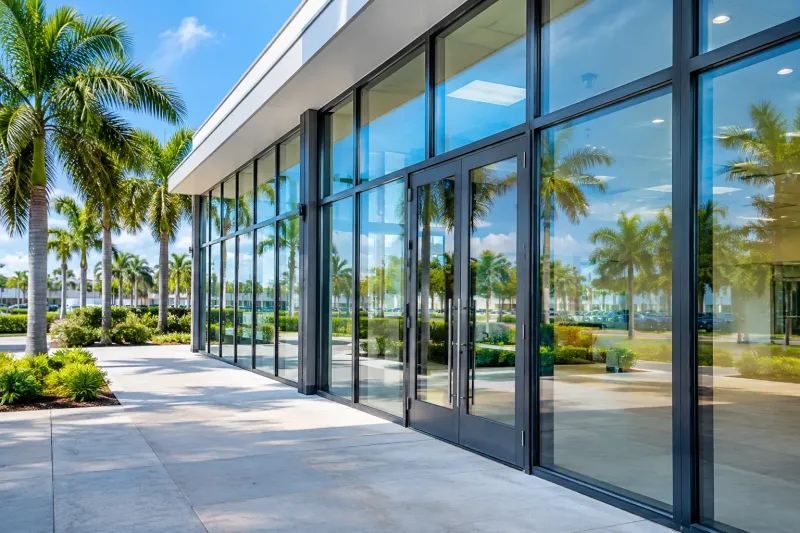
For commercial properties, better glazing can support tenant comfort and create a more polished exterior without sacrificing the impact resistance required for local conditions. Large storefront areas, office partitions near exterior glass, and multi-panel door systems deserve careful product selection because small specification differences can have an outsized effect across a large glazed area.
Choosing Windows and Doors for the Whole Property
Replacing only the most exposed windows can be a sensible phased strategy, especially when a homeowner is prioritizing west-facing rooms or aging patio doors. However, mixing new tightly sealed units with older, leaking openings may limit the comfort improvement across the house. A complete assessment can identify which openings are urgent for safety, which offer the best performance opportunity, and how to stage the work around budget and permitting needs.
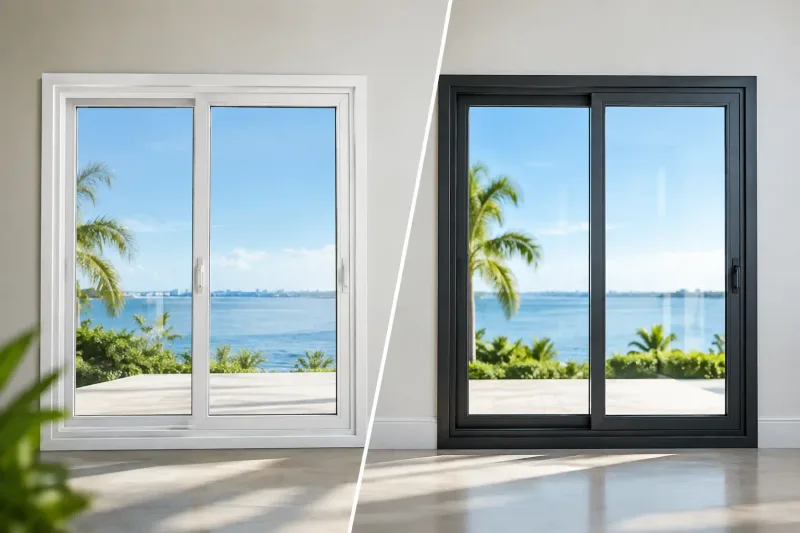
Doors require the same attention as windows. French doors, entry doors, and sliding glass doors represent large openings in the exterior envelope. Their thresholds, multipoint locks, rollers, panels, and weather seals need to work together. Selecting a Category 5-rated door system with appropriate glass and professional installation can improve daily operation while helping protect the home during severe weather.
Avrax Impact Windows & Doors helps South Florida property owners evaluate these decisions from product selection through permitting, certified installation, cleanup, and final project completion. The right recommendation starts with the actual openings, exposure, building requirements, and priorities of the people using the space.
A productive next step is to walk through your home at the hottest time of day and note which rooms feel uncomfortable, which windows show condensation or seal failure, and which doors no longer close tightly. Those observations give a window professional a useful starting point for designing protection that also makes the property more comfortable to own.