How long do impact windows last? Learn what affects their service life in South Florida, plus signs it is time to repair or replace your windows safely.
A properly selected and professionally installed impact window is not a short-term hurricane upgrade. For South Florida homeowners, it is a long-term part of the building envelope that protects against windborne debris, driving rain, forced entry, heat, and outside noise. So, how long do impact windows last? In many homes, quality impact windows can provide 20 to 30 years of dependable service, and sometimes longer with the right materials, installation, and maintenance.
That range is useful, but it is not a guarantee stamped on every window. A coastal property exposed to salt air, direct sun, and frequent storms faces different conditions than a protected inland home. The window itself matters, but so does the frame, glass package, hardware, sealants, anchoring, drainage, and the quality of the original installation.
How Long Do Impact Windows Last in South Florida?
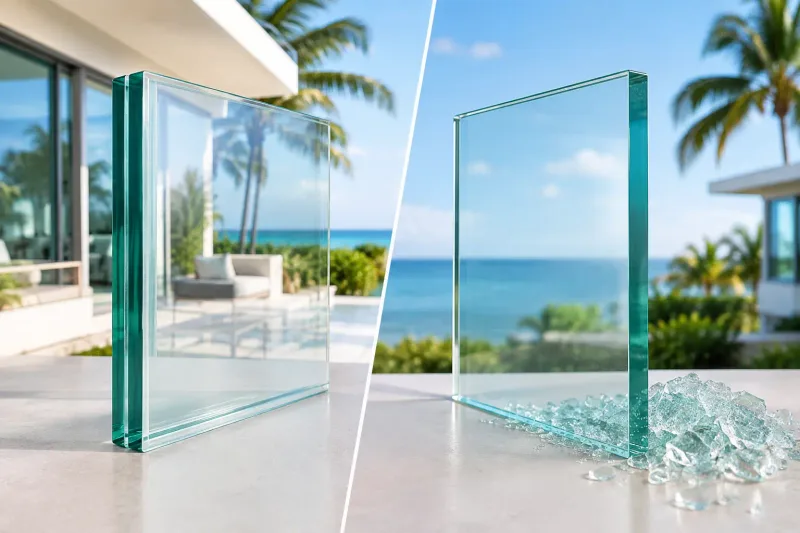
High-quality impact windows commonly last two to three decades. Their laminated glass is engineered to remain intact when struck, while reinforced frames and secure anchoring help the unit resist extreme pressure changes during a hurricane. Unlike standard windows that may shatter and leave a home exposed, impact-rated systems are built as complete assemblies tested for specific performance requirements.
Still, “impact-rated” does not mean every product has the same expected lifespan. Miami-Dade-approved systems from established manufacturers, installed according to their approval documents and the Florida Building Code, generally offer a stronger foundation for long-term performance than a product chosen only for its initial price.
A window may remain structurally sound after 20 years while needing attention to components such as rollers, locks, weatherstripping, caulk, or insulated-glass seals. That does not automatically mean the entire window has failed. A qualified inspection can determine whether a repair preserves the window’s performance or whether replacement is the safer investment.
What Determines an Impact Window's Service Life?
The glass gets most of the attention, but impact-window longevity is determined by the entire system. In hurricane-prone South Florida, small details can become major performance issues over time.
Frame material and finish
Aluminum frames are a popular choice for their strength, slim sightlines, and suitability for large openings. In coastal environments, however, the quality of the finish and proper maintenance matter greatly. Salt deposits can contribute to corrosion if they are allowed to build up, particularly near the ocean.
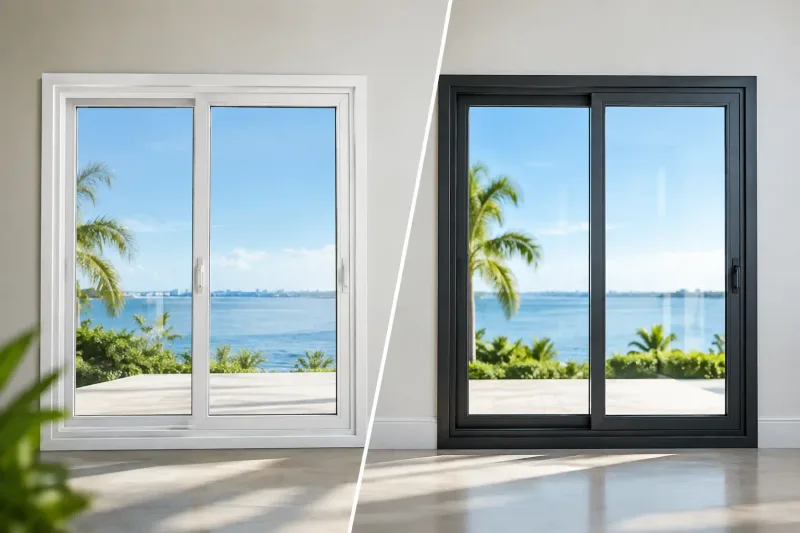
Vinyl and other engineered frame options can offer strong thermal performance and low maintenance, but the right choice depends on the opening size, design, exposure, and approved product configuration. The frame must be appropriate for the home, not simply attractive in a showroom.
Exposure to sun, salt, and storms
South Florida weather is demanding year-round. UV exposure can affect finishes, sealants, and weatherstripping. Wind-driven rain tests drainage paths and perimeter seals. Coastal salt can wear on hardware and metal components. A west-facing sliding glass door on a waterfront property may require more frequent inspection than a shaded window on an inland elevation.
A major storm does not necessarily mean replacement is needed. Impact glass is designed for severe events, including debris strikes within its tested limits. After any hurricane, though, homeowners should inspect windows and doors for cracked glass, damaged frames, loose hardware, water intrusion, or changes in operation.
Installation quality
Even a premium impact window can underperform if it is installed incorrectly. Proper installation includes confirming opening conditions, using the approved anchors and spacing, integrating flashing or waterproofing where required, maintaining drainage, applying compatible sealants, and finishing the interior and exterior correctly.
This is why installation should never be treated as an afterthought. Improper anchoring can affect wind-load performance. Poor perimeter sealing can lead to leaks and surrounding wall damage. An out-of-square frame can cause locks, sashes, and sliding panels to wear prematurely.
At Avrax Impact Windows & Doors, the project process is designed to account for these details from product selection and field measurement through permitting, installation, cleanup, and final completion.
Maintenance and everyday use
Impact windows are low-maintenance, not no-maintenance. Routine cleaning and occasional adjustments help preserve their operation. Sliding doors especially benefit from clean tracks and properly maintained rollers. Windows that are repeatedly forced shut, left with drainage tracks clogged, or exposed to neglected salt buildup can develop avoidable problems long before the glass reaches the end of its potential service life.
Signs Your Impact Windows May Need Repair or Replacement
Age alone is not the best reason to replace a window. Condition and performance are more meaningful. If your windows are approaching 20 years old, schedule an evaluation rather than assuming they must be replaced immediately.
Look for visible cracks, chips, or delamination in the laminated glass. Delamination may appear as cloudiness, bubbling, or a milky edge within the glass layers. Also watch for fogging between panes in insulated glass units, which can indicate a failed seal and reduce energy performance.
Operation matters too. Windows that no longer lock securely, sliding doors that drag or jump their tracks, and hardware that is badly corroded deserve prompt attention. A window should close, latch, and seal as intended. Difficulty operating a unit may be a repair issue, but it can also point to frame movement, water damage, or installation concerns.
Water stains around the opening, peeling finishes, mold-like discoloration, or recurring leaks during heavy rain should not be ignored. The source may be a failed exterior seal, a drainage issue, or a broader wall-condition problem. Simply applying more caulk without identifying the cause can conceal the problem temporarily while moisture continues to travel behind the finish.
Finally, consider code and product documentation. If you cannot verify what was installed, whether it was permitted, or how it was approved for the opening, an inspection can provide clarity. This is especially valuable before selling a property, completing a major renovation, or updating an older home with mixed window types.
Can Impact Windows Be Repaired?
Many issues can be repaired when the frame and glass remain structurally sound. Hardware replacement, roller adjustments, weatherstripping, lock repairs, screen repairs, and certain sealant corrections may extend the useful life of an existing unit. This can be a practical option for a newer system with isolated wear.
Replacement becomes more appropriate when there is damaged laminated glass, significant frame corrosion, persistent water intrusion, widespread seal failure, outdated units that do not meet current project requirements, or repeated operational failures. For a multi-window project, replacing all units at once may also create a more consistent appearance and performance standard across the home.
The trade-off is cost versus remaining service life. Repairing a single component may be sensible. Spending repeatedly on aging units with multiple problems often is not. A professional assessment should explain what is repairable, what is not, and why.
How to Help Impact Windows Last Longer
A few consistent habits can protect your investment. Rinse exterior frames periodically with fresh water, especially on coastal properties. Use mild soap and a soft cloth rather than abrasive cleaners or harsh chemicals that can damage finishes and glass coatings.
Keep window weep holes, sliding tracks, and drainage channels clear of dirt, leaves, and construction debris. Test locks and handles periodically, and report resistance or loose hardware before it becomes a larger issue. Do not apply aftermarket films, drill into frames, or modify the system without confirming that the change will not affect the manufacturer’s warranty or the window’s approved performance.
After a hurricane or severe wind event, inspect each opening from both sides. Check for visible damage and water entry, but avoid making assumptions based only on appearance. Impact glass can remain in place after a strike while requiring professional evaluation to confirm its condition.
A well-built impact window should give your property decades of protection, not constant concern. The best way to protect that lifespan is to choose an approved system for your specific opening, insist on code-compliant installation, and address early signs of wear before storm season puts every component to the test.