Choosing the best windows for salt air means balancing corrosion resistance, hurricane ratings, glass performance, and expert installation in South Florida
Salt air does not wait for a storm to damage your home. It settles onto frames, hardware, fasteners, screens, and tracks every day, especially in coastal South Florida. The best windows for salt air are not simply windows labeled impact-rated. They are a properly approved, corrosion-conscious window system selected for your home’s exposure, installed with the same care given to hurricane protection.
For a property near the ocean, choosing windows is a long-term performance decision. The right system must stand up to wind pressure, windborne debris, ultraviolet exposure, driving rain, and the steady corrosive effect of airborne salt. A lower-priced window may look acceptable on installation day but develop hardware problems, finish deterioration, or water-management failures years sooner than a coastal-grade alternative.
What Salt Air Does to Window Systems
Salt air is most aggressive on homes closest to the water, but its effects can reach well inland depending on wind patterns. Chlorides carried in the air collect on exterior surfaces. When moisture is present, they accelerate corrosion on unprotected metals and can compromise hardware, screws, rollers, and frame finishes.
Aluminum is a practical and common choice for impact windows in South Florida because it is strong, stable, and well suited to larger openings. However, aluminum is not automatically immune to corrosion. The quality of its finish, the design of its drainage system, and the metals used around it all affect how it will perform near the coast.
Salt exposure also finds weak points. It can affect sliding-door rollers, locks, hinges, screen components, glazing beads, and fasteners before a homeowner sees visible damage on the frame. That is why a window decision should consider the whole assembly, not just the glass or the frame color.
The Best Windows for Salt Air Start With the Right Frame
For many coastal South Florida homes, premium impact-rated aluminum windows with a high-quality factory-applied finish offer the best balance of structural strength, design flexibility, and hurricane performance. Aluminum frames can support substantial glass panels and meet the demanding design pressures often required in Miami-Dade and other High-Velocity Hurricane Zone locations.
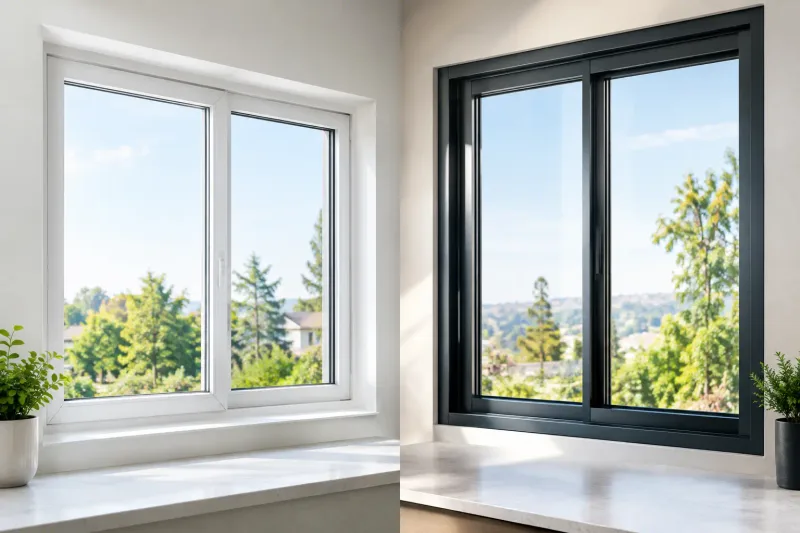
A durable powder-coated or fluoropolymer finish provides a protective barrier against moisture, UV exposure, and salt-laden air. The finish should be consistent across the full system, including frame components and visible accessories. Dark colors can look striking, but they may show surface wear more readily and absorb more heat. Lighter finishes are often easier to maintain on highly exposed elevations.
Vinyl windows may be an option for certain applications, particularly where energy performance and cost are primary considerations. Still, homeowners should evaluate whether the product is approved for the required wind pressures, opening size, and building location. Vinyl can expand and contract more than aluminum in South Florida heat, and product options for large, high-performance openings may be more limited.
Fiberglass is another corrosion-resistant material worth considering when available in an approved impact system. It offers excellent thermal stability, but availability, configuration choices, and cost can vary. Wood frames generally demand more maintenance in humid, salt-air environments and are rarely the practical first choice for a Florida hurricane-protection upgrade.
Do Not Overlook Hardware and Fasteners
The frame gets attention, but hardware often determines how a window or door feels and functions over time. Coastal-grade hardware should be selected with corrosion resistance in mind. Stainless-steel components, especially higher-grade stainless where appropriate, are preferable to basic plated hardware in exposed locations.
This matters most on operable units. Casement hinges, locks, sliding-door rollers, handles, and track components face repetitive use along with weather exposure. A fixed picture window has fewer moving parts, while a large sliding glass door needs a roller and track system built to handle both panel weight and the local environment.
Fasteners behind the finished product matter as well. Improper fastener selection or contact between incompatible metals can create galvanic corrosion. This is not visible during a quick showroom comparison, but it is central to a durable installation.
Impact Glass Is Essential, but Approval Must Match the Opening
In South Florida, impact glass is the foundation of a permanent storm-protection strategy. Laminated impact glass holds together after an object strikes it, helping protect the building envelope from sudden pressurization during a hurricane. It also provides meaningful benefits every day, including improved security, reduced outside noise, and ultraviolet filtering.
But there is no universal impact window that fits every property. A product must be approved for its exact use: the size of the opening, the building height, exposure category, design pressure, configuration, and installation method. A larger panel or a higher floor may require a different system than a small first-floor opening on a sheltered elevation.
Miami-Dade County product approvals are widely regarded as a high standard because they involve rigorous testing requirements. For properties within Miami-Dade and Broward’s High-Velocity Hurricane Zone, the selected window and installation must comply with the Florida Building Code and applicable local requirements. Outside the HVHZ, product approvals and local code requirements still matter. The correct choice depends on the project, not a one-size-fits-all claim.
Glass options also affect comfort. Low-E coatings can help manage solar heat gain, which may reduce strain on air-conditioning systems. Tint, visible light transmission, and privacy needs should be considered carefully. Very dark glass may reduce glare, but it can also make interiors feel dimmer and change the exterior appearance of the home.
Window Style Affects Coastal Performance
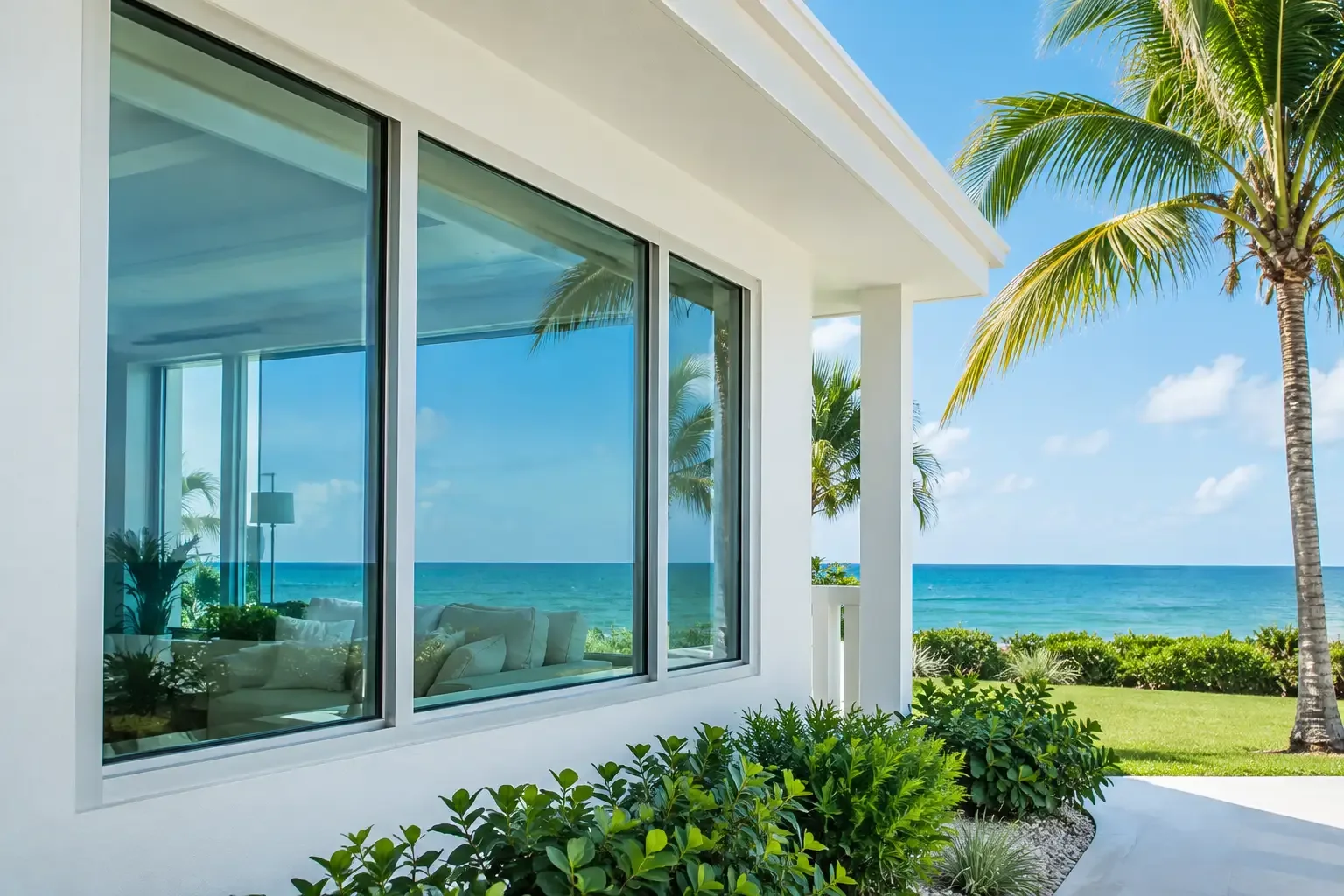
Fixed impact windows are often an excellent choice for ocean-facing views because they have fewer seams and moving parts. They can create expansive sightlines while delivering high structural performance. The trade-off is that fixed windows do not provide ventilation.
Casement and awning windows can provide controlled ventilation and a tighter compression seal when closed. Their suitability depends on the available opening, wind exposure, and the specific approved product. Single-hung and horizontal roller windows are familiar, practical choices, but they have more weatherstripping and moving interfaces to maintain than a fixed unit.
For larger openings, sliding glass doors and multi-panel systems require special attention. Coastal homeowners should focus on tested performance ratings, drainage design, roller quality, track maintenance, and the product’s approved size limitations. A beautiful wide-opening door should not be selected on appearance alone. It must be engineered for the site and installed to its tested specifications.
Installation Is Where Coastal Durability Is Won or Lost
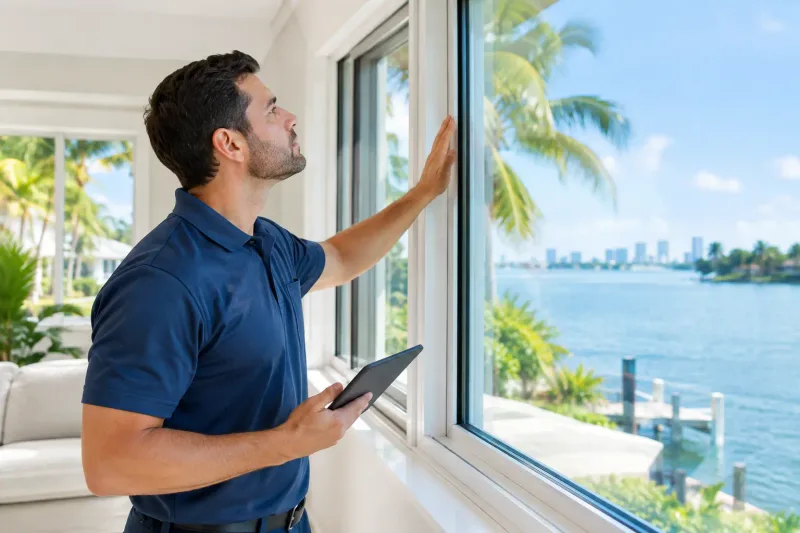
Even premium windows can underperform when installation is rushed or improvised. Coastal installation requires accurate opening preparation, correct anchoring, compatible sealants, disciplined flashing and waterproofing practices, and full adherence to the manufacturer’s approved installation details.
The installer must also account for existing conditions. Concrete block, poured concrete, wood framing, stucco returns, exterior cladding, and interior finishes all influence the removal and replacement process. Replacing old windows can reveal concealed damage or irregular openings that must be addressed before new impact units are secured.
Permit management is part of the protection process, not paperwork after the fact. Proper permitting, inspections, and documentation help verify that the finished project meets code and that the selected products are installed as approved. For condominium owners and homes governed by an HOA, color, sightline, and architectural requirements may also need to be resolved before installation begins.
A full-service contractor such as Avrax Impact Windows & Doors can coordinate product selection, field measurement, permitting, HOA documentation, removal, installation, cleanup, and final project closure. That accountability helps prevent the gaps that occur when product supply, design, and installation are treated as separate responsibilities.
Maintenance Keeps Salt Air From Taking Over
No exterior window system is maintenance-free on the coast. Routine care can extend the appearance and service life of frames, glass, hardware, and screens.
Rinse exterior frames and tracks periodically with fresh water to remove salt residue, particularly after periods of strong onshore wind. Clean tracks so water can drain as designed, and inspect weep holes for obstruction. Avoid abrasive pads, harsh solvents, and cleaners that can damage finishes or seals.
Open and close operable windows and doors regularly. Listen for rough rollers, resistance, or changes in alignment. Small hardware adjustments are easier to address before they become a damaged lock, worn roller, or water-intrusion concern. If sealant joints, weatherstripping, or screens show wear, schedule an evaluation rather than waiting for storm season.
Choose for Exposure, Not Just for Price
The best coastal window package is rarely the least expensive quote, and it is not always the most expensive product line either. It is the system that matches your location, your opening sizes, your required approvals, your desired appearance, and your long-term maintenance expectations.
Before making a decision, ask whether the quoted system is approved for your exact openings and local wind requirements, what finish and hardware are specified for salt exposure, how the installer will waterproof the opening, and who will manage permits and inspections. Clear answers protect more than the purchase. They protect the home behind it.
A coastal window upgrade should leave you with more than a better view. It should give your family a dependable barrier when weather turns, a quieter and more secure home year-round, and confidence that the details behind the glass were handled correctly.