
Do impact windows reduce insurance costs? See how South Florida insurers assess wind mitigation discounts, documentation, and approved installation work.
A homeowner replacing hurricane panels with permanent protection usually asks the same practical question: do impact windows reduce insurance costs? They can, particularly in South Florida, but the answer depends on your insurer, policy, home construction, and the documentation supporting the upgrade. Impact windows are first and foremost a life-safety and property-protection investment. Any insurance discount should be treated as a valuable added benefit, not the only reason to make the change.
For properties exposed to hurricane-force winds, approved impact-rated windows and doors can help reduce the chance of wind-driven rain entering the building envelope after a storm. That matters to insurers because a broken window, failed sliding glass door, or unsecured opening can turn an otherwise repairable storm event into extensive interior damage.
How Impact Windows Can Affect Home Insurance
Florida insurers evaluate wind risk differently from insurers in lower-risk regions. They may consider a home's age, roof type and condition, location, opening protection, building-code features, claims history, deductible, and the specific coverage selected. Impact windows can influence one part of that review: wind mitigation.
When windows and exterior doors meet applicable impact-resistance standards, they provide a permanent form of opening protection. Unlike plywood or removable panels, they are in place every day and do not depend on a homeowner being present to install them before a storm. The insurer may recognize this reduced vulnerability through a wind-mitigation credit or premium discount.
The key word is "may." There is no universal savings amount. One carrier may offer meaningful credits for qualifying impact-rated openings, while another may already price those risk factors into its base premium or place more weight on the roof and overall construction. A policy renewal quote is the only place to confirm the financial result for your property.
Why Opening Protection Matters to Insurers
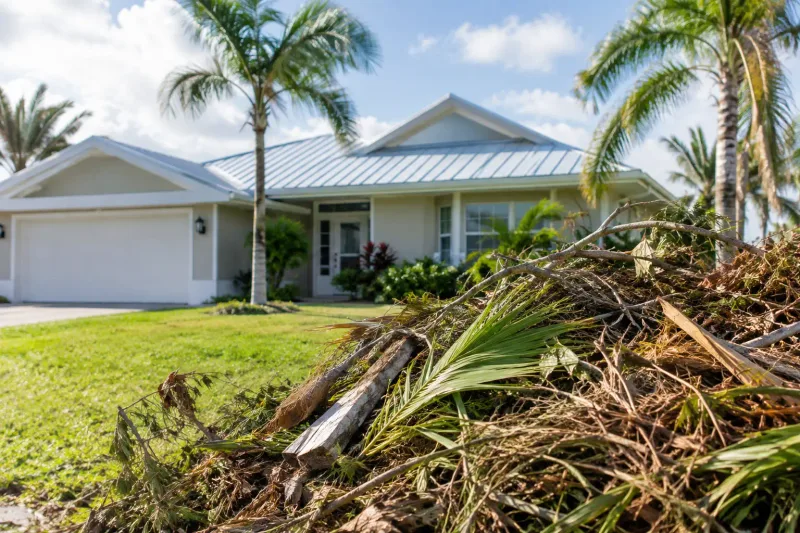
Hurricanes do not need to blow an entire roof off a home to create a major insurance claim. A single failed window or door can allow high-pressure wind and rain into the structure. Water can damage drywall, flooring, cabinetry, electrical systems, furniture, and personal belongings within minutes.
Impact-rated glazing is engineered and tested to resist wind pressure and flying debris. In South Florida, products often need Miami-Dade County Notice of Acceptance approval or Florida Product Approval, depending on the project location and code requirements. The glass may crack under extreme impact, but the laminated interlayer is designed to help keep the opening intact and resist penetration.
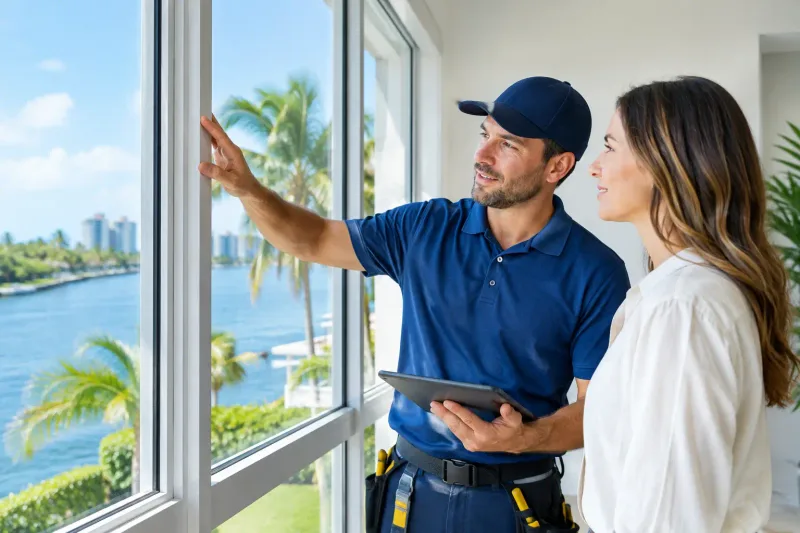
This protection is especially significant for large glass areas: sliding glass doors, French doors, picture windows, and multi-panel systems. These openings bring light and views to a property, but they also demand the right tested product, anchoring method, and installation details. A premium impact window cannot deliver its rated performance if it is improperly fitted, flashed, sealed, or fastened.
What Documentation Helps Support an Insurance Discount?
Insurers generally do not grant wind-mitigation credits based on a verbal statement that a home has impact windows. They need proof that the products and installation qualify. For many Florida homeowners, that process involves a current wind-mitigation inspection and the appropriate state form completed by a qualified inspector.
Keep a complete project file after installation. It should include your signed contract, final invoice, product approvals, manufacturer labels where applicable, permit records, and final inspection documentation. If the project required HOA approval, retain that paperwork as well. These records help establish exactly what was installed and whether the work was permitted and completed according to local requirements.
The wind-mitigation inspector will assess the home as a system. If some openings remain unprotected, such as an older garage door, a non-impact side door, or a conventional window in an enclosed patio area, the home may not receive the same opening-protection classification as a property with every eligible opening protected. Details matter.
The Difference Between Impact Glass and Hurricane Shutters
Both impact windows and approved hurricane shutters can potentially support opening-protection credits. The insurance treatment can vary based on the type of protection, whether it is rated and approved, and whether it meets the carrier's requirements.
Impact windows offer a daily-use advantage. There is no storage, last-minute installation, or concern that a property is vacant when a storm warning is issued. They also provide year-round benefits that temporary shutters do not: improved security, reduced exterior noise, UV filtering, and more consistent energy performance.
Hurricane shutters remain a valid solution for many homes, especially when they are code-compliant and properly maintained. But for property owners replacing aging windows anyway, upgrading to impact-rated windows and doors can combine permanent storm protection with a major exterior improvement.
Factors That Can Limit or Change Your Savings
It is reasonable to ask an insurance agent for an estimate before signing an impact-window contract. Just avoid relying on a verbal projection as a guarantee. Carriers can revise underwriting guidelines, premiums, credits, and eligibility requirements at renewal.
Your final savings may be limited if your home already has qualifying protection, if only part of the home is upgraded, or if other risk factors offset the credit. A new roof, roof-deck attachment, roof-to-wall connection, secondary water resistance, and garage-door rating can all affect a wind-mitigation review. Older homes may have different upgrade opportunities than newer homes built under more recent Florida Building Code requirements.
Also, a discount does not automatically reduce every part of the policy. Windstorm coverage, dwelling coverage, deductibles, flood insurance, liability protection, and optional endorsements are separate considerations. Impact windows do not replace flood insurance, and they do not eliminate the need for a hurricane deductible where one applies.
How to Approach an Impact Window Project With Insurance in Mind
Start by reviewing your current declarations page and any prior wind-mitigation report. Ask your insurance agent which documentation the carrier requires to evaluate opening protection and whether a new inspection is recommended after the work is complete. This gives you a clear baseline before construction begins.
Next, select products appropriate for your property's location, opening sizes, design pressures, and code requirements. A low-cost window is not a value if it lacks the approval, glass configuration, frame strength, or installation system needed for the building. The same principle applies to doors, which are often among the largest and most exposed openings in a South Florida home.
Finally, work with a contractor that manages the project beyond the sales appointment. Proper measurements, product selection, permits, HOA coordination, certified installation, inspections, cleanup, and final documentation all protect the investment. Avrax Impact Windows & Doors approaches impact upgrades as a complete protection system, with accountability through final permit closure rather than a handoff after installation.
The Value Goes Beyond the Policy Premium
An insurance credit can help improve the long-term economics of impact windows, but it is only one part of the return. The more immediate value is knowing your home has permanent, tested protection in place before the forecast turns serious.
Impact-rated windows and doors can also make day-to-day ownership more comfortable. Laminated glass helps reduce outside noise, blocks a significant portion of UV exposure, and can improve energy efficiency when paired with the right frame and glass package. Many homeowners also appreciate the added security of a more difficult-to-breach exterior opening.
For commercial properties, the same reasoning applies at a larger scale. Protected glazing can help safeguard interiors, equipment, inventory, and tenant spaces while supporting code compliance and a polished building appearance. The insurance conversation may involve a broker, carrier, and property manager, but the documentation and installation quality remain just as important.
Before assuming a specific premium reduction, obtain your insurer's requirements in writing and plan the upgrade around protection, compliance, and lasting performance. If a qualifying insurance credit follows, it is a welcome result of making the property safer before the next storm tests it.