Learn what Category 5 impact windows can and cannot promise, how Miami-Dade approvals work, and why design pressure and installation protect your home safely.
A hurricane forecast does not give homeowners much time to question whether their windows are ready. That is why Category 5 impact windows are a common request across South Florida. The phrase communicates a clear goal: permanent protection against extreme wind, windborne debris, water intrusion, and the chain reaction that can follow when an opening fails.
But it is also a phrase worth understanding correctly. There is no single universal product certification called a “Category 5 window.” Hurricane categories describe a storm’s sustained wind speed, while windows and doors are evaluated through product approvals, impact testing, and design-pressure requirements. The right system is the one engineered, approved, and professionally installed for your property’s specific exposure.
What Category 5 Impact Windows Actually Mean
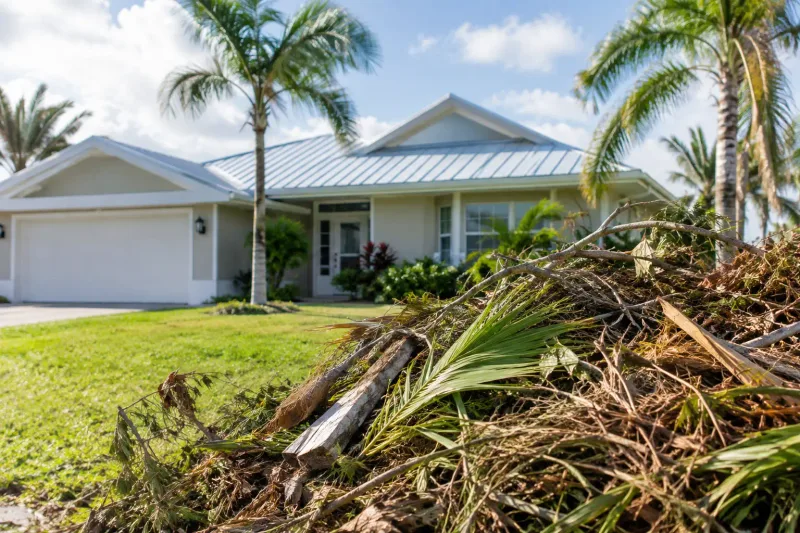
A Category 5 hurricane has sustained winds of 157 mph or greater. At that level, a home’s exterior openings face more than strong wind. They can be hit by flying debris, subjected to rapid pressure changes, and exposed to wind-driven rain that finds weaknesses in seals, frames, and installation details.
When property owners ask for Category 5 impact windows, they are generally looking for a high-performance impact-rated system designed for severe hurricane conditions. That may include laminated impact glass, reinforced frames, heavy-duty hardware, and tested glazing configurations that meet the required approval for the building location.
The distinction matters because a window cannot be selected by a storm category alone. A large fixed-glass opening on an upper floor, for example, may need a different design-pressure rating than a smaller protected window at ground level. Corner exposure, building height, roof shape, distance from the coast, and the surrounding terrain all influence the required performance.
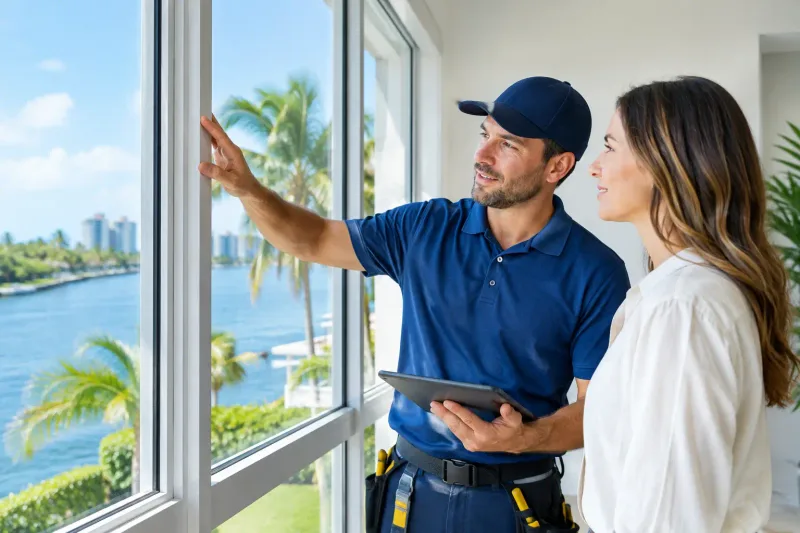
A qualified contractor should translate the goal of Category 5 protection into the actual requirements that apply to your home or commercial property. That means reviewing the approved product details, verifying glass and frame options, and matching each opening to the correct installation method.
Why Impact Resistance Is Only One Part of Protection
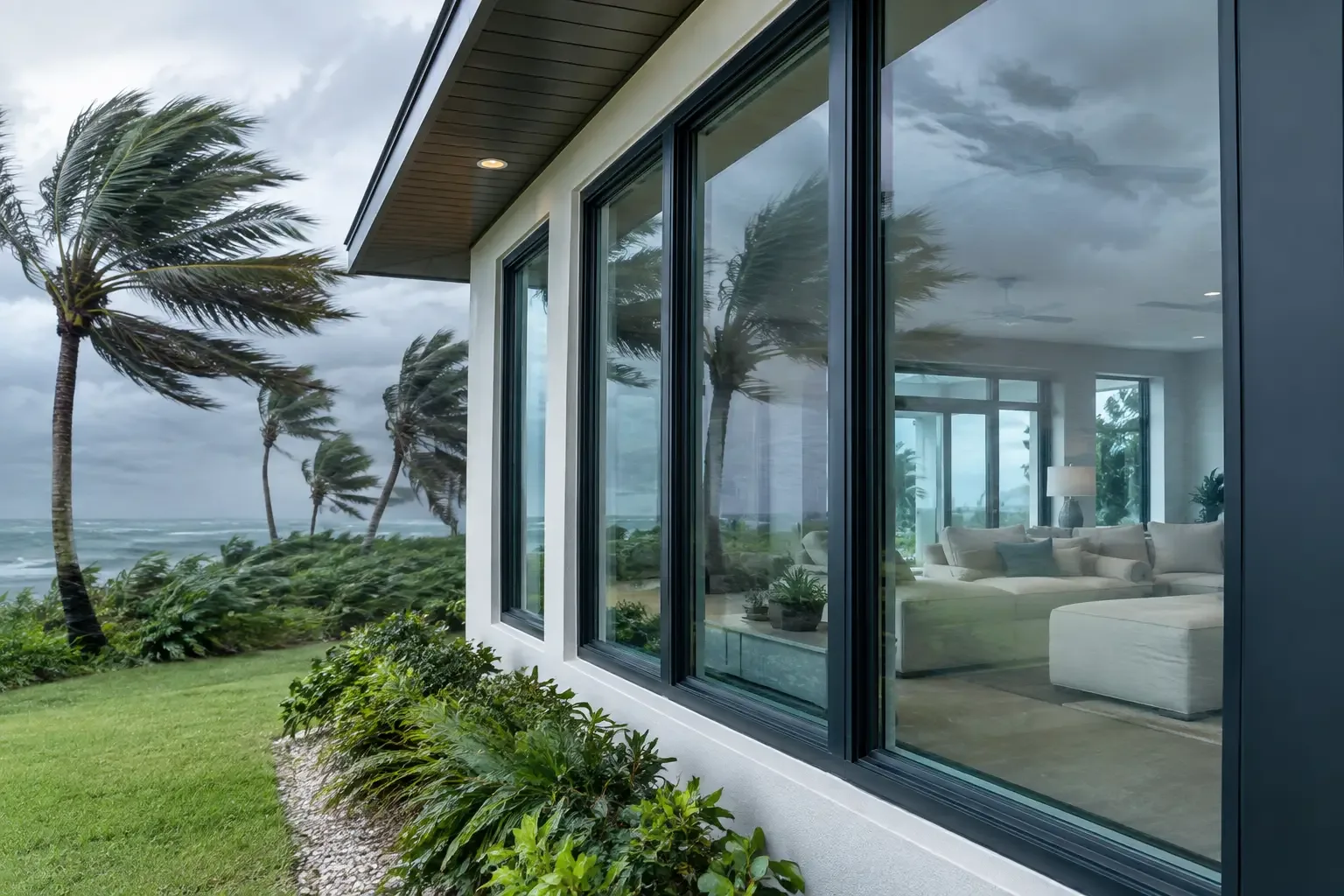
Impact windows are designed to resist damage from windborne debris. During testing, the glass assembly is struck with specified projectiles and then subjected to repeated pressure cycling. The laminated interlayer helps hold the glass together even if an outer pane cracks.
That last point is critical. Impact glass may crack after a severe strike, but the laminated layer can help keep the opening intact. This reduces the chance of a sudden breach that allows hurricane-force wind into the building.
Once wind enters through a failed window or door, internal pressure can rise quickly. Combined with exterior uplift forces, that pressure can contribute to roof damage, structural failure, and extensive interior water loss. Keeping the building envelope closed is one of the most valuable functions of a properly rated impact system.
Still, impact resistance does not eliminate every risk. No window can guarantee zero damage in every storm, particularly in direct exposure to extreme debris or structural movement. The practical objective is to provide tested, code-compliant protection that significantly improves the building’s ability to withstand severe conditions.
Design Pressure Tells You More Than a Hurricane Label
Design pressure, often shown as DP ratings or positive and negative pressure values, is a more useful technical measure than a broad Category 5 label. It reflects how much air pressure a window or door assembly can resist under specified conditions.
Positive pressure pushes the glazing toward the interior. Negative pressure pulls it outward, which can be especially demanding on the leeward side of a building or around corners where wind flow creates suction. Product approvals identify the allowable pressures for specific sizes, configurations, glass types, and installation details.
This is why the same window model is not automatically suitable in every size or every location. A product that works for one opening may not meet the required pressure at a larger opening, a higher elevation, or a more exposed wall. Proper product selection begins with the building, not with a one-size-fits-all sales claim.
Miami-Dade Approvals and Florida Building Code Requirements
South Florida has some of the country’s most demanding building requirements for exterior openings. Miami-Dade and Broward counties are within the High-Velocity Hurricane Zone, where approved impact products and approved installation methods are central to compliance.
A Miami-Dade Notice of Acceptance, commonly called an NOA, documents the tested and approved use of a product. It provides technical information that can include allowable sizes, design-pressure limits, glazing options, anchoring schedules, frame details, and installation conditions. Florida Product Approval documentation serves a similar role in many applications outside Miami-Dade.
For homeowners, the takeaway is straightforward: approval paperwork is not a formality. It is the roadmap for using the product correctly. A premium window with an incorrect anchor pattern, unapproved mullion, or incompatible glass configuration may not perform as intended or satisfy permit requirements.
At Avrax Impact Windows & Doors, the process is managed from product selection through permit closure because the system has to work as a complete assembly. Product approval review, measurements, permits, HOA coordination, removal, installation, inspection support, and cleanup all affect the final result.
The Installation Details That Cannot Be Overlooked
A high-quality impact window is only as dependable as its installation. Hurricane performance depends on how forces move from the glass and frame into the surrounding structure. The fasteners, embedment depth, spacing, substrate condition, shims, sealants, and flashing details all matter.
Older South Florida homes can present challenges that are not obvious during a quick quote. There may be deteriorated wood bucks, concrete damage, inconsistent opening dimensions, previous water intrusion, or nonstandard framing concealed behind trim. These conditions should be identified and addressed before the new units are secured.
Water management deserves the same attention as wind resistance. Impact windows are tested systems, but the surrounding opening must be prepared correctly to help control wind-driven rain. Professional crews should protect interior finishes, remove existing units carefully, install the new system according to approved details, seal the perimeter properly, and leave the site clean.
For condominium associations and commercial properties, installation planning may also involve access restrictions, work-hour rules, elevator reservations, tenant communication, staged replacements, and coordination with building management. A contractor that manages these details reduces disruption while keeping the project moving toward inspection and completion.
Choosing the Right System for Your Property
The best choice depends on the property and the way you use it. A coastal residence with expansive waterfront glass may prioritize higher-pressure-rated fixed windows and multi-panel sliders. A single-family home replacing old aluminum windows may focus on a balanced combination of protection, energy performance, ventilation, and curb appeal. A retail or office property may need large openings that meet code while preserving visibility and architectural character.
Glass options also matter. Low-E coatings can help manage solar heat gain, while different tint levels and decorative configurations affect privacy, daylight, and exterior appearance. Frame materials, sightlines, operable styles, screens, hardware finishes, and door configurations should support both the required performance and the look of the property.
Do not compare proposals by price alone. Ask whether each quote identifies the manufacturer, product series, approval information, glass configuration, required design pressures, permit scope, removal work, installation method, and warranty coverage. A lower price may exclude critical work that later becomes a change order or a compliance issue.
Benefits That Continue After Hurricane Season
Permanent impact protection offers value well beyond a storm warning. Laminated glass and reinforced frames can improve resistance to forced entry compared with conventional glass. Many homeowners also notice less outdoor noise, especially near busy roads, airports, and commercial corridors.
Energy performance can improve when aging single-pane units and worn sliding doors are replaced with properly fitted, modern glazing systems. Actual savings vary with glass selection, shading, orientation, and HVAC use, but better seals and efficient glass can make a meaningful difference in comfort.
Impact windows can also eliminate the annual work of storing, mounting, and removing hurricane panels. That convenience is especially valuable for seasonal residents, older homeowners, and property managers responsible for multiple units.
The right question is not simply whether a window is marketed for Category 5 winds. It is whether the complete system is approved, correctly sized, properly installed, and documented for your building. A careful consultation turns that answer into a clear plan, giving you protection that is built for the property you own and the storms South Florida can face.