Compare custom versus stock windows for South Florida homes, including hurricane ratings, fit, design, permits, installation, and lasting value with code confidence.
A window opening that looks standard from the street can tell a different story once the old frame comes out. Settling, past renovations, concrete block construction, water intrusion, and out-of-square openings are common realities in South Florida homes. That is why the decision between custom versus stock windows should go beyond the initial price or how quickly a unit appears to be available.
For an impact-window project, the right choice must support the building, match the approved product configuration, satisfy applicable Florida Building Code requirements, and deliver the protection you expect during severe weather. Stock windows can be the right answer in certain projects. Custom windows often provide the better long-term result when openings, architecture, performance requirements, or design goals call for a more precise solution.
What “Stock” and “Custom” Really Mean
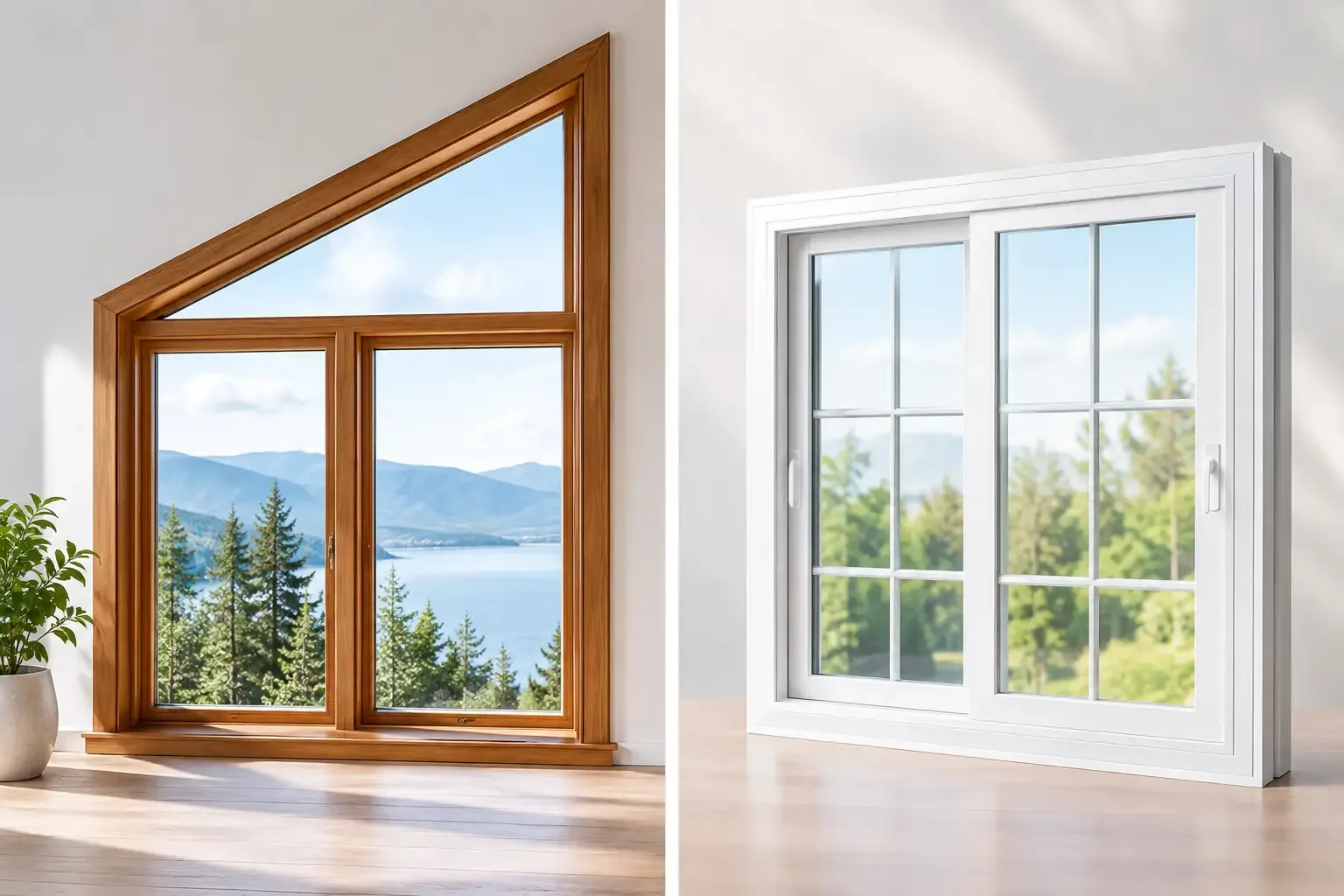
A stock window usually refers to a standard-size unit built in common dimensions, common frame colors, and a limited selection of operating styles. It may be available more quickly than a made-to-order product, especially when a supplier has inventory or can produce a standard configuration on a shorter schedule.
A custom window is manufactured to the dimensions and specifications of a particular opening and project. Customization can include width and height, frame finish, glass tint, grid pattern, hardware, mullions, configuration, and the way multiple units are joined together. For impact applications, it can also involve selecting an approved system capable of meeting the required design pressure for that exact location on the building.
The distinction matters because “custom” does not simply mean decorative, and “stock” does not automatically mean inferior. A standard unit from a respected impact manufacturer may be an excellent product. The question is whether that unit is appropriate for your actual opening, exposure, and permit plan.
Custom Versus Stock Windows for South Florida Homes
South Florida homes face conditions that make fit and product approval especially important. Hurricane exposure, wind-borne debris regions, salt air, intense sun, heavy rain, and high humidity all affect how a glazing system should be selected and installed.
When stock windows can make sense
Stock windows can work well when existing openings are truly uniform, the desired style is simple, and a standard unit falls within the manufacturer’s approved dimensions and performance limits. They may be a practical choice for a straightforward replacement project, a rental property with matching openings, or an area where design flexibility is not a priority.
The potential benefit is efficiency. A standard-size product may reduce manufacturing lead time and, in some cases, the product cost. If a homeowner is replacing several identical windows with a basic single-hung or horizontal roller configuration, standard sizes may align well with the project.
Still, speed should not override verification. A window that is close in size is not necessarily a window that should be forced into an opening. Excessive filler, compromised fastening locations, or unnecessary modification can affect appearance, water management, and installation quality. The best standard-size option is one that fits the opening properly and is approved for the required application.
When custom windows are the stronger investment
Custom windows are often the better fit for older homes, luxury properties, waterfront residences, large openings, architectural shapes, and projects where multiple windows and doors need to align cleanly. They are especially valuable when a home has openings that vary slightly from room to room, even when those openings appear identical at first glance.
A made-to-order unit allows the installer to plan for proper frame coverage, attachment locations, sealant joints, drainage, and finish details. It also helps preserve visual symmetry. For example, a standard-size unit may leave uneven exterior margins or require wide interior trim in one opening but not another. A custom-sized unit can create a more intentional, finished appearance.
Custom options also expand design choices. Homeowners can select larger glass areas for more daylight, match frame colors to exterior finishes, specify privacy or low-E glass, add grids where appropriate, or create coordinated assemblies with French doors, sliding glass doors, and fixed picture windows. These decisions affect curb appeal and daily comfort, not just appearance on installation day.
Hurricane Protection Is Not Determined by Size Alone
The most common mistake in this comparison is treating a custom window as automatically safer than a stock window. Protection comes from the complete approved system: the frame, laminated impact glass, hardware, reinforcement, glazing method, dimensions, anchoring, substrate, and installation details.
A high-quality stock impact window can provide outstanding protection if it is approved and installed correctly for the opening. Conversely, a custom unit is not the right choice if its configuration exceeds the manufacturer’s tested or approved limits for the required pressure.
For homes in Miami-Dade and other high-velocity hurricane zones, product documentation and engineering matter. The window must be selected according to its applicable approval, including maximum sizes, mullion requirements, fastening schedules, and design-pressure limits. Corner units, large fixed glass panels, upper-floor windows, and openings near building edges can experience higher wind pressures than more protected locations.
This is where professional measurement and project planning pay off. An experienced impact contractor does not select windows by rough opening size alone. The process should account for building conditions, exposure, product approvals, installation method, and the permit requirements for the jurisdiction.
Cost: Look Beyond the Window Price
Stock windows generally carry a lower starting price because manufacturers build common sizes and configurations at volume. Custom windows typically cost more because they require project-specific manufacturing, more options, and sometimes more complex engineering or fabrication.
However, the installed cost deserves more attention than the unit price. If a stock unit requires extensive adaptation, added trim work, masonry changes, or a workaround to fit an irregular opening, the apparent savings can shrink quickly. A custom unit may cost more upfront while reducing compromises in fit, finish, and long-term water management.
There is also the cost of getting the project wrong. Improperly selected or installed windows can lead to leaks, operational issues, failed inspections, delayed permit closure, and expensive corrective work. In a hurricane-protection upgrade, those risks are far more significant than the difference between two product quotes.
A clear proposal should identify the product series, glass type, operating style, dimensions, installation scope, permit responsibility, and any conditions that could affect pricing. Homeowners should be cautious with estimates that offer a single price without explaining what is being installed or how code compliance will be addressed.
Lead Times and Project Timing
Stock windows can be attractive when timing is urgent, but availability should be confirmed before it becomes the foundation of a project plan. Inventory changes, and a standard unit may still need to be ordered if the correct frame finish, glass package, or impact rating is not locally available.
Custom windows require manufacturing time, particularly for large sizes, specialty shapes, and coordinated door-and-window packages. That lead time can be worthwhile when it produces a better fit and a cleaner architectural result. It also gives the project team time to coordinate HOA approvals, permits, product submittals, and installation scheduling.
For either option, ordering before hurricane season does not guarantee an immediate installation. Permitting, production, inspections, and site conditions all influence the schedule. A contractor that manages the full process can set more realistic expectations and keep the project moving without placing the administrative burden on the property owner.
Design, Comfort, and Everyday Performance
Windows are visible every day, but their performance is felt even more often. The right impact system can help reduce exterior noise, limit UV exposure, improve indoor comfort, and strengthen home security. Custom windows give owners more control over how those benefits are balanced with the home’s style.
For a modern home, a larger fixed impact window or a slim-profile frame may preserve a clean facade and maximize views. For a traditional home, divided-lite grids and carefully proportioned openings can maintain character. In a condominium or HOA community, the available choices may be shaped by association rules, approved colors, and elevation consistency.
Stock units can deliver a polished result when the home suits their standard proportions. But when owners are trying to correct mismatched replacements, open up a view, replace an unusual jalousie or awning window, or coordinate new impact doors with existing architecture, customization is usually where the project becomes cohesive rather than merely functional.
Installation Is the Deciding Factor in Either Choice
Even the best impact window cannot perform as intended without correct installation. Measurements must be precise. Existing conditions must be evaluated before removal. The crew must follow the approved fastening and sealing requirements, protect the property during work, and leave the opening properly finished.
A professional installation also includes the project details owners do not want to manage alone: permit documentation, HOA coordination when needed, removal and disposal of existing units, inspections, cleanup, and final permit closure. Avrax Impact Windows & Doors approaches window replacement as a complete protection project, not a product drop-off.
Ask who will measure the openings, who is responsible for permits, whether the proposal identifies approved impact products, and how the installer will address damaged wood, deteriorated bucks, or irregular masonry discovered during removal. Clear answers are a sign of accountability.
The best choice is not the window labeled custom or the one available first. It is the impact-rated system that fits your home precisely, meets the required approval and design pressures, complements your property, and is installed by a team prepared to stand behind the complete result. Start with a detailed site evaluation, then let the condition of the home and the required protection level guide the decision.