Compare aluminum vs vinyl windows for South Florida homes, including hurricane ratings, strength, energy performance, maintenance, cost, and options.
A window frame can look like a minor detail until a hurricane warning is issued, salt air starts corroding older metal, or a large glass opening needs to meet code. In the aluminum vs vinyl conversation, the right answer for a South Florida property is rarely based on appearance alone. It comes down to the approved impact system, the size of the opening, the building’s exposure, energy goals, and the quality of the installation.
Both materials can be used in impact-rated window systems. Both can improve comfort, security, and curb appeal when properly selected. But they do not perform the same way in every application, especially across Miami-Dade, Broward, Palm Beach, and coastal communities where high winds, driving rain, heat, humidity, and salt exposure are constant design factors.
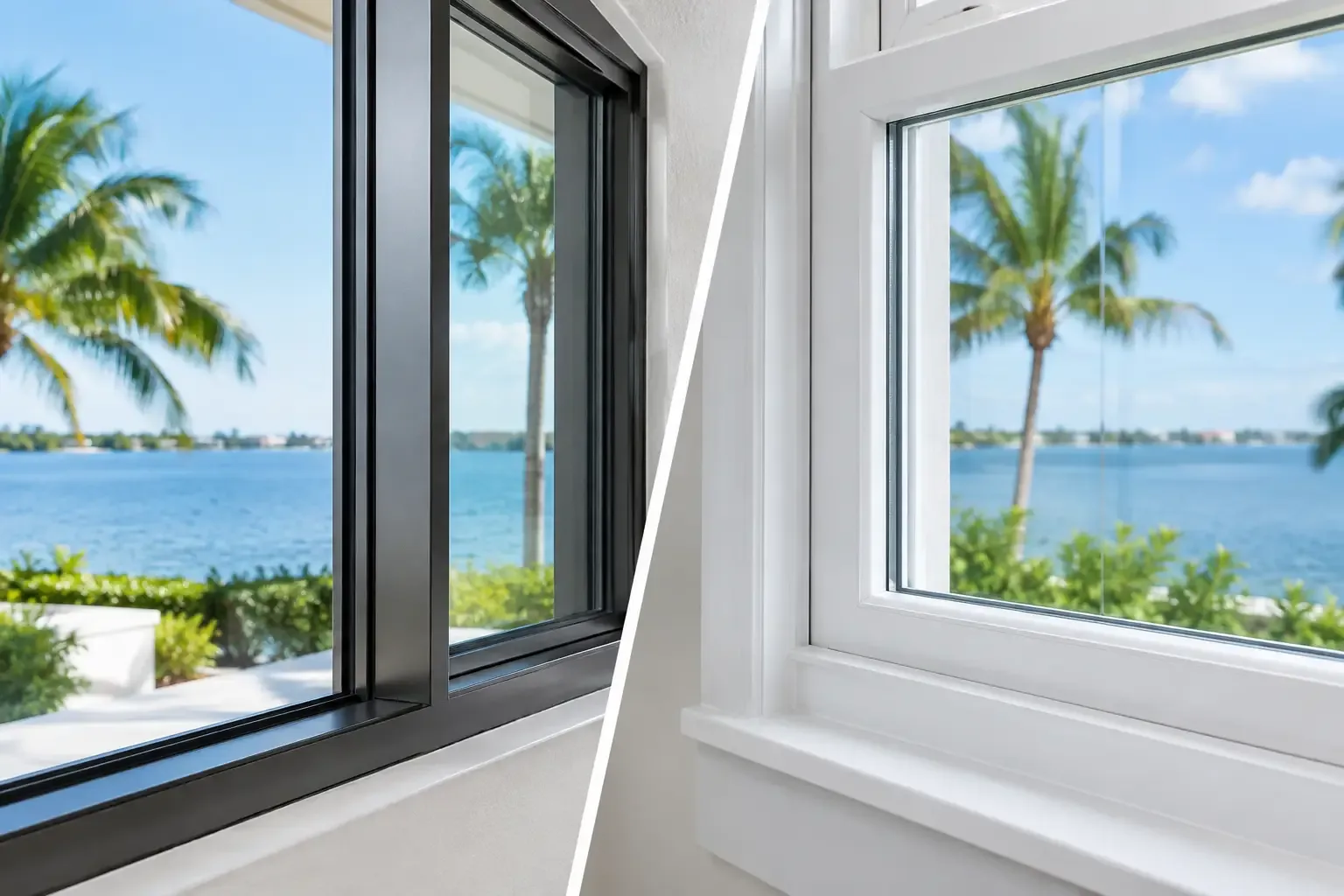
Aluminum vs Vinyl: The Core Difference
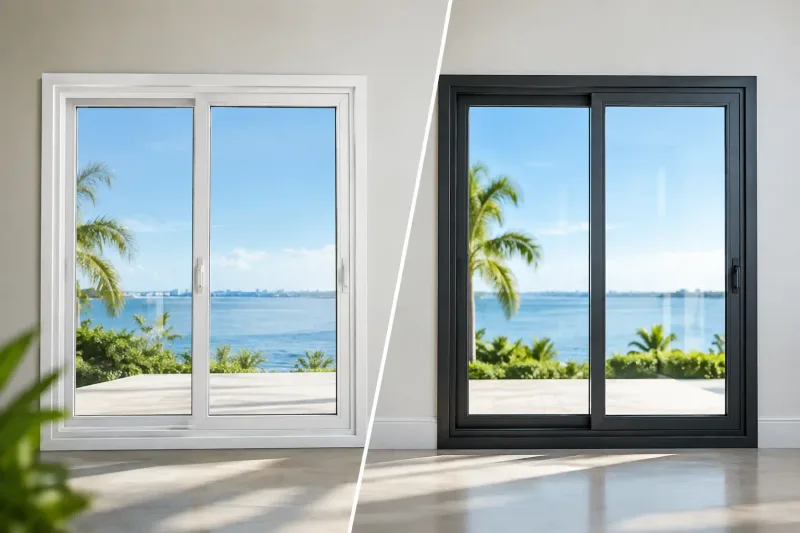
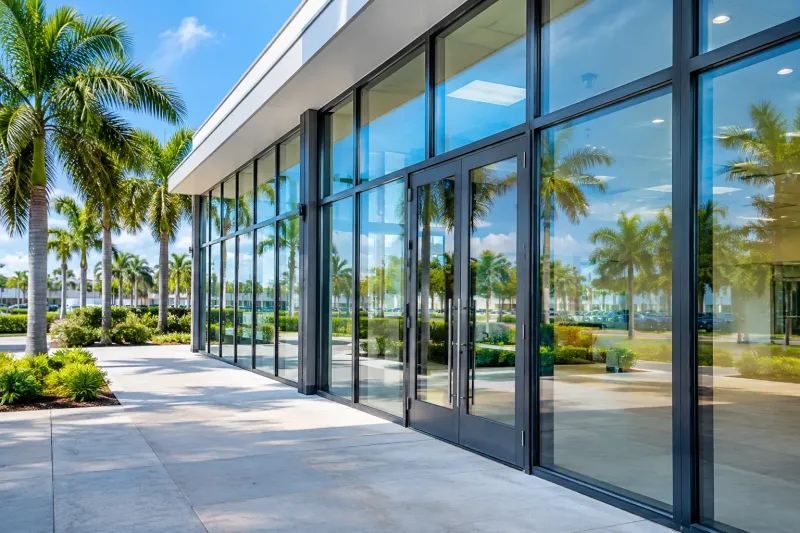
Aluminum frames are known for structural strength, slim sightlines, and their ability to support large and heavy impact glass panels. They are a familiar choice for South Florida architecture, from contemporary homes with expansive views to commercial storefronts and multi-story buildings. Premium aluminum impact systems can provide the rigidity needed for wide fixed windows, oversized sliding glass doors, and other demanding openings.
Vinyl frames are valued for their insulating properties and low-maintenance finish. Because vinyl does not conduct heat as readily as aluminum, it can help reduce heat transfer through the frame. For homeowners replacing standard windows in smaller or moderately sized openings, an approved vinyl impact system may offer an attractive balance of thermal performance, quiet interiors, and cost.
The material alone does not determine hurricane protection. A frame must be part of a tested and approved assembly that includes the glass, glazing method, hardware, reinforcement, anchors, and installation conditions. A window described as impact-resistant should have the required Florida Product Approval or Miami-Dade Notice of Acceptance where applicable, and it must be installed according to its approved details.
Hurricane Strength and Large Openings
South Florida homeowners often start with one question: which frame is stronger? Aluminum generally has the advantage where high structural capacity and narrow frame profiles matter most. Its inherent rigidity allows manufacturers to engineer larger configurations without making the frame excessively bulky. That is particularly valuable for picture windows, corner glass, wide patio openings, and multi-panel sliding systems.
Vinyl impact windows can also meet demanding wind and impact requirements, but their available sizes and configurations may be more limited than comparable aluminum systems. Manufacturers often use internal reinforcement to increase vinyl frame strength. That reinforcement is part of the approved product design, not an optional feature that can be added in the field.
For a home exposed to open water, a high-rise elevation, or a wind-borne debris region, product selection should start with the specific design pressures required at each opening. Those pressures can vary across the same property based on height, location, opening size, and building geometry. Choosing a frame before reviewing these conditions can lead to unnecessary redesigns, limited product choices, or a system that does not fit the architectural goal.
Impact Glass Is Only Part of the System
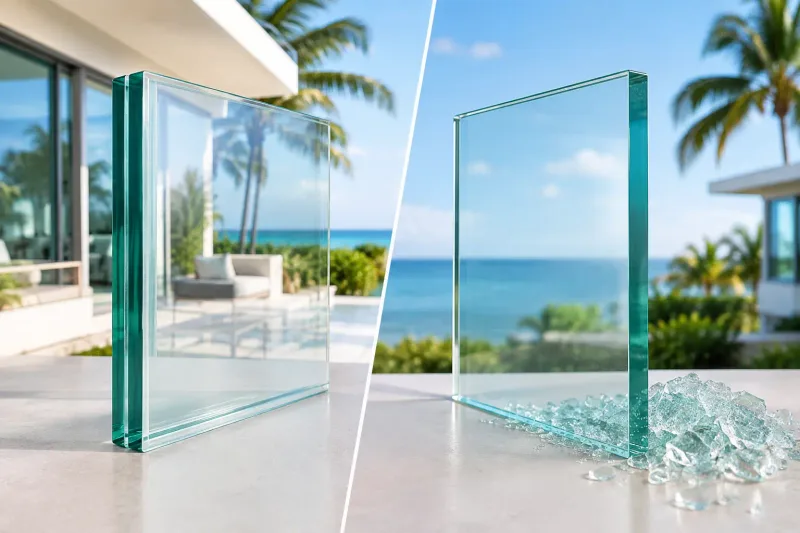
Impact glass typically uses laminated interlayers that help hold broken glass together after an impact. That is a major safety benefit, but the surrounding frame and anchoring system must also resist the forces imposed by wind pressure and repeated cycling.
A properly engineered impact window or door helps protect the building envelope when it matters most. If an opening fails during a severe storm, wind can enter the structure, increase internal pressure, and place additional stress on the roof and walls. This is why approved ratings, correct fasteners, proper embedment, and installation methods are not paperwork details. They are part of the protection package.
Energy Performance in Florida Heat
Vinyl has a natural advantage in frame insulation because it is not as thermally conductive as aluminum. In air-conditioned homes, that can support better thermal performance at the frame, particularly when paired with insulated laminated glass and a low-emissivity coating suited to the local climate.
Modern aluminum impact windows have improved substantially through better glazing packages and thermally improved frame designs. Still, not every aluminum system includes a thermal break, and not every vinyl system delivers the same glass performance. The most useful comparison is the complete unit’s published thermal and solar ratings, not a general claim about frame material.
For South Florida properties, solar heat gain is often more relevant than winter insulation. Glass selection can influence how much solar heat enters the home, how much visible light remains, and whether furnishings receive additional ultraviolet protection. A dark tint may reduce glare but also change the look of the façade and interior. Clearer high-performance glass can preserve daylight while managing heat more effectively. The right choice depends on orientation, shading, privacy needs, and how the home is used.
Corrosion, Maintenance, and Appearance
Vinyl does not rust or corrode, which makes it appealing near the coast. Its color is integral to the material, and routine care is usually limited to cleaning the frames, tracks, glass, and drainage paths. Vinyl can be a practical option for homeowners who prefer a simple, consistent finish and do not need unusually large glass spans.
Aluminum will not rust like untreated steel, but coastal salt air can affect finishes, hardware, fasteners, and connections over time. High-quality finishes and regular cleaning matter, especially for homes near the ocean or Intracoastal waterways. Neglect can allow salt deposits and debris to build up in tracks and weep holes, affecting both appearance and drainage.
From a design perspective, aluminum offers more flexibility for slim profiles, dark finishes, and expansive contemporary glass. It often complements modern architecture and can provide more glass area within a given opening. Vinyl frames are commonly thicker, which may reduce visible glass slightly, though the difference depends on the product line and configuration. Vinyl also tends to have fewer color and finish options, and dark exterior colors deserve careful consideration in intense South Florida sun because heat can cause expansion and contraction.
Cost: Compare the Installed System, Not the Frame Alone
Vinyl windows may have a lower starting cost for many standard residential openings. Aluminum systems can carry a higher material cost, particularly when engineered for large sizes, specialty shapes, or high design pressures. Yet pricing is never just aluminum versus vinyl.
The total project cost may include custom manufacturing, impact glass, removal of old windows, structural preparation, permits, HOA documentation, engineering requirements, installation labor, interior and exterior finishing, and disposal. A lower-priced unit that does not satisfy the opening’s pressure requirement or aesthetic objective is not a value. Likewise, an oversized premium system may not be necessary for every room in the house.
A thoughtful project can use different solutions where they make sense. For example, a homeowner may prioritize aluminum for a large rear sliding door facing a water view and select another approved system for standard bedroom windows. The key is confirming that every selected product is approved for its location and installed as required.
The Installation Standard Matters as Much as the Product
Even the best impact window can underperform if installation shortcuts compromise its anchorage, waterproofing, or operation. The installer must evaluate the existing substrate, confirm field conditions, follow approved fastening schedules, maintain required edge distances, and integrate the window with the wall opening correctly.
This is particularly important in replacement work. Older homes can reveal deteriorated wood bucks, cracked masonry, uneven openings, hidden water damage, or prior installations that do not meet current requirements. Those conditions should be addressed before the new window is finalized, not covered over during installation.
A full-service contractor also helps manage the steps that make an impact upgrade feel manageable: product selection, measurements, permitting, HOA coordination when needed, professional installation, cleanup, and final permit closure. Avrax Impact Windows & Doors approaches frame selection as part of that complete responsibility, with the goal of matching the approved system to the home rather than forcing every opening into one product category.
Which Material Fits Your Property?
Choose aluminum when the project calls for large glass areas, slimmer sightlines, wide sliding doors, demanding structural requirements, or a modern architectural finish. It is often the stronger design choice for substantial openings and commercial applications, provided the finish, hardware, and maintenance plan are appropriate for the property’s exposure.
Choose vinyl when approved sizing meets the project requirements and you value low maintenance, efficient frame performance, and a straightforward residential replacement solution. It can be an excellent fit for many standard window openings, but it should never be selected solely because it costs less or feels warmer to the touch.
The most dependable decision begins with a site-specific evaluation of wind pressures, opening dimensions, exposure, code requirements, glass performance, and design priorities. When a hurricane-rated window is chosen for the actual conditions of the building and installed with discipline, it becomes more than a new frame. It becomes a permanent layer of protection, comfort, and confidence every time the forecast changes.