Compare impact windows versus hurricane shutters for South Florida homes, including protection, cost, code compliance, comfort, and long-term value too.
A hurricane warning is not the time to discover that a panel is missing, a fastener is stripped, or no one remembers where the shutter hardware was stored. For South Florida property owners weighing impact windows versus hurricane shutters, the central question is larger than storm preparation: Which option provides dependable protection for the way you actually live, manage, and maintain your property?
Both systems can protect openings when they are properly engineered, approved, and installed. The right choice depends on your building, budget, insurance requirements, architectural goals, and tolerance for recurring storm-season work. But the daily experience of owning each option is very different.
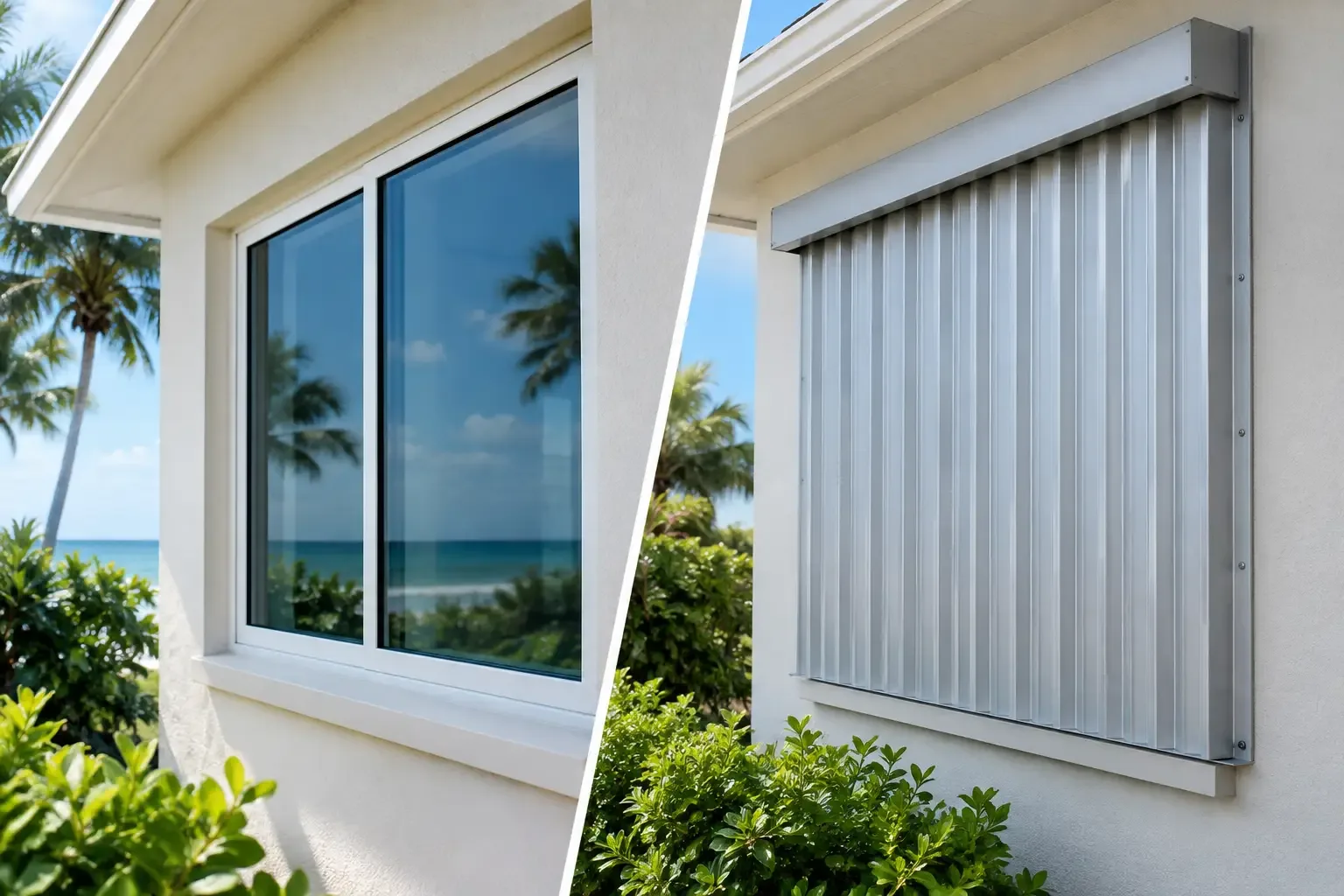
Impact Windows Versus Hurricane Shutters: The Core Difference
Hurricane shutters are a removable or deployable barrier installed over an existing window or door. Depending on the system, they may be aluminum panels, accordion shutters, roll-down shutters, Bahama shutters, colonial shutters, or fabric screens. Their job is to keep windborne debris from breaking the glass during a storm.
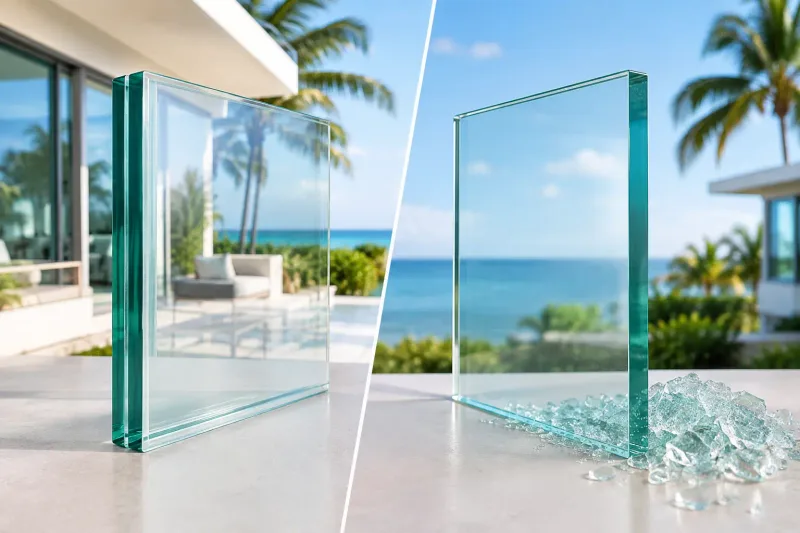
Impact windows use laminated impact-resistant glass installed in a reinforced, tested frame system. The glass is made with two panes bonded around a durable interlayer. If debris strikes and cracks the exterior glass, that interlayer helps hold the glazing together and maintain the opening's protective barrier.
That distinction matters during a major storm. With shutters, protection is only present after the system has been correctly closed or installed. With impact-rated windows, protection is built into the opening every day. You do not need to climb a ladder, find hardware, or rush to secure the house as a storm approaches.
Neither option should be selected based on appearance alone. Product approvals, design-pressure requirements, anchoring conditions, opening sizes, and installation details all affect real-world performance. A window labeled "impact" is not automatically the right window for every location or exposure. The complete system must be selected and installed for the property.
Protection When Time Is Limited
South Florida residents know that a forecast can change quickly. Shutters require an operational plan: enough panels for each opening, labeled storage, working fasteners, available labor, and time to complete installation before conditions deteriorate. For a second home, a rental property, an elderly homeowner, or a large commercial building, that dependence on manual deployment can become a serious limitation.
Accordion and roll-down shutters reduce some of that labor, but they still require inspection and operation. Tracks can collect debris, mechanical components need maintenance, and a motorized system may need manual override capability during a power outage.
Impact windows remain in place and ready. They also protect the home after the storm has passed, when broken conventional glass can leave a property exposed to rain, theft, and further damage. Laminated impact glass is designed to resist penetration, although it may crack after a severe impact. The goal is to keep the building envelope intact, not to promise that glass will never show damage.
Maintaining that envelope is critical. When a window or door fails during a hurricane, high winds can enter the building and increase internal pressure. That pressure can contribute to more extensive roof and structural damage. This is why code-compliant opening protection is not merely a glass upgrade.
Cost: Initial Price Versus Long-Term Ownership
Hurricane shutters often cost less at the beginning, particularly aluminum panel systems installed over existing non-impact windows. For an owner who needs approved protection quickly and plans to replace windows later, shutters can be a practical bridge solution.
Impact windows generally require a larger initial investment because they replace the full window system. The project can include custom manufacturing, removal of existing windows, structural preparation, installation, permits, inspections, and interior or exterior finishing. Larger openings, specialty shapes, high design pressures, and premium frame finishes can also affect pricing.
The stronger comparison looks beyond the quote. Shutters leave the old window in place. If that window has failing seals, air leakage, corrosion, difficult operation, poor insulation, or outdated appearance, those issues remain. Impact windows address hurricane protection while also replacing an aging exterior component.
Long-term value may include reduced reliance on storm preparation, improved energy performance, reduced exterior noise, enhanced security, and a more polished appearance. Some insurers may offer wind-mitigation credits for qualifying protection, but coverage and discounts vary by carrier and policy. It is wise to confirm potential savings directly with your insurance professional rather than treating them as guaranteed.
Everyday Benefits Favor Impact Glass
The most compelling advantage of impact windows is that they work after hurricane season too. Laminated glass provides a meaningful layer of resistance against forced entry because it is more difficult to breach than standard annealed glass. It can also help reduce outside noise from traffic, construction, and busy neighborhood streets.
Energy performance depends on the selected glass package, frame, installation quality, and exposure. A properly specified impact window can help improve comfort by reducing heat transfer and limiting air leakage compared with old, poorly functioning windows. For homes with strong sun exposure, the right low-emissivity coating and tint selection can make an appreciable difference in interior comfort without sacrificing the desired amount of daylight.
Shutters can block heat and sun when closed, but they do not improve the daily performance of the existing glass behind them. They may also darken rooms completely during a storm, while impact windows allow natural light to remain available when exterior conditions permit. That visibility can make a prolonged weather event less disruptive for families and property managers.
Aesthetics and Property Use
Shutters are visible architectural features. Bahama and colonial styles can complement certain homes, while accordion systems are usually more utilitarian. Panel shutters must be stored when not in use, and some owners find that their mounting hardware affects the exterior appearance.
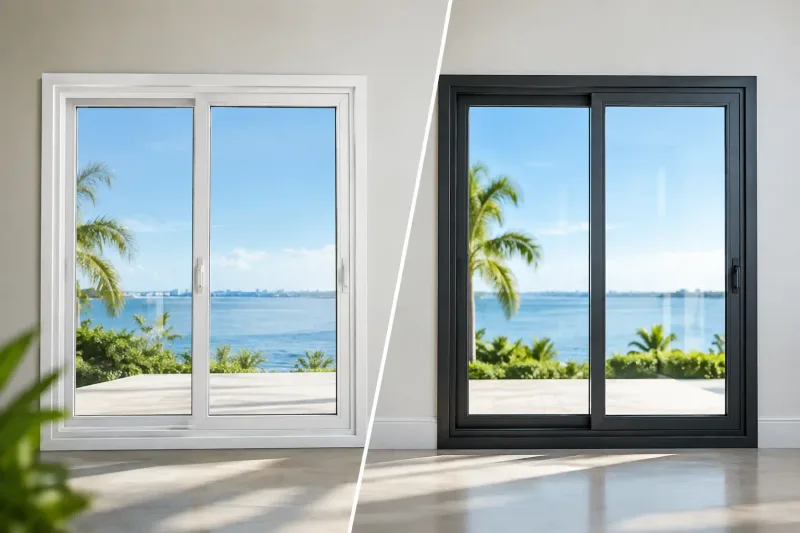
Impact windows provide a cleaner, permanent architectural solution with frame colors, grid patterns, glass options, and operating styles selected to fit the home. They are especially valuable when replacing dated sliders, narrow windows, or conventional doors with larger, more functional systems. For waterfront properties and contemporary renovations, impact-rated sliding glass doors and multi-panel systems can improve views and indoor-outdoor access while maintaining required protection.
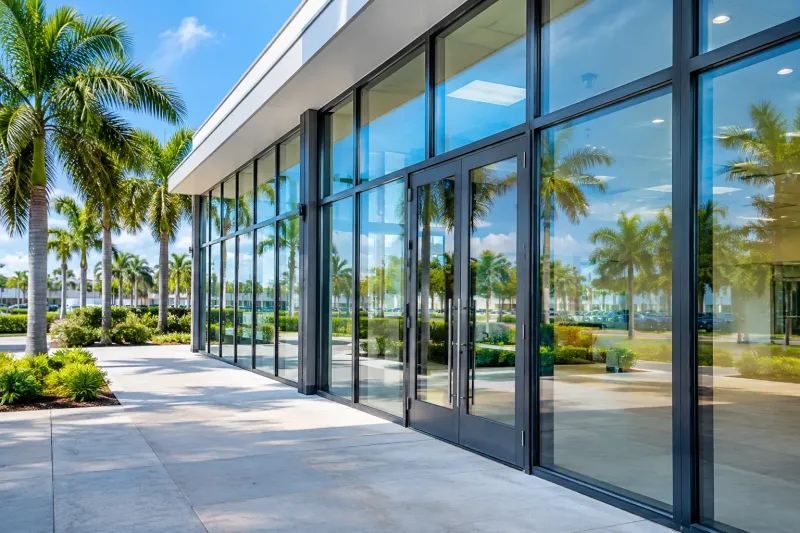
For commercial properties, the choice may involve tenant experience and building operations as much as storm protection. Permanently protected glazing can preserve storefront visibility, support a professional facade, and reduce the operational burden of deploying coverings across many openings.
Code Compliance Is Not Optional
Florida Building Code requirements, local jurisdiction rules, and wind-borne debris region standards determine what is acceptable for a particular property. Miami-Dade approvals are often a key consideration in South Florida, but approval documents must match the product, configuration, size, substrate, and installation method being used.
A shutter system can be code-compliant. An impact window system can be code-compliant. Problems arise when products are selected without verifying the opening-specific requirements, or when installation does not follow the approved details. Incorrect anchors, insufficient edge distance, improper buck conditions, or unapproved modifications can compromise performance and create inspection issues.
This is where a full-service contractor adds value. Avrax Impact Windows & Doors manages product selection, permitting, HOA coordination, installation, cleanup, and final project completion so the protection system is not treated as a collection of disconnected parts.
When Hurricane Shutters Still Make Sense
Shutters are not an inferior choice in every situation. They can make sense for an owner who has sound existing windows, needs a lower upfront cost, owns a property with limited renovation plans, or wants a specific architectural shutter style. They may also be useful as an additional layer of shade or privacy for select areas.
The decision becomes less favorable when deployment is unlikely to happen consistently. If the home is frequently vacant, the owner travels during hurricane season, the property has many openings, or physical installation is difficult, relying on removable panels can create avoidable risk.
How to Make the Right Decision
Start with a property-specific assessment, not a one-size-fits-all comparison. Review each opening, the condition of current windows and doors, the property's exposure, local approval requirements, and how the building is used. Ask whether you want a temporary protective layer or a permanent upgrade that improves safety, comfort, security, and appearance year-round.
Also examine the scope behind the product quote. A responsible impact-window project should account for field measurements, engineering and approvals where required, permit handling, removal and disposal, certified installation, inspections, and proper finishing. The best-rated product can still underperform if the installation is not completed to its tested specifications.
A practical closing thought: choose the protection you can depend on before the forecast turns urgent. The right system should protect the opening, fit the property, meet applicable code requirements, and give you confidence that your home or building is ready when it matters most.