Impact window replacement protects South Florida homes with code-compliant glass, stronger security, quieter rooms, and expertly managed installation.
A window that rattles during summer storms, leaks around the frame, or needs panels installed before every hurricane warning is more than an inconvenience. It is a weak point in your home’s exterior protection. Impact window replacement gives South Florida property owners a permanent, code-compliant way to protect their families, improve daily comfort, and stop preparing the house from scratch every time a storm approaches.
The right project is not simply about replacing glass. It requires products rated for the opening, a precise field measurement, proper anchoring, permit coordination, and installation that performs as designed under wind pressure and flying debris. That is where the difference between an attractive window upgrade and a dependable hurricane-protection system becomes clear.
When Impact Window Replacement Makes Sense
Many homeowners begin considering replacement after a visible problem: corrosion on old aluminum frames, fogged insulated glass, difficult operation, water intrusion, or a cracked pane. Those are valid reasons to act, but there are also less obvious situations where replacement can be the smarter long-term decision.
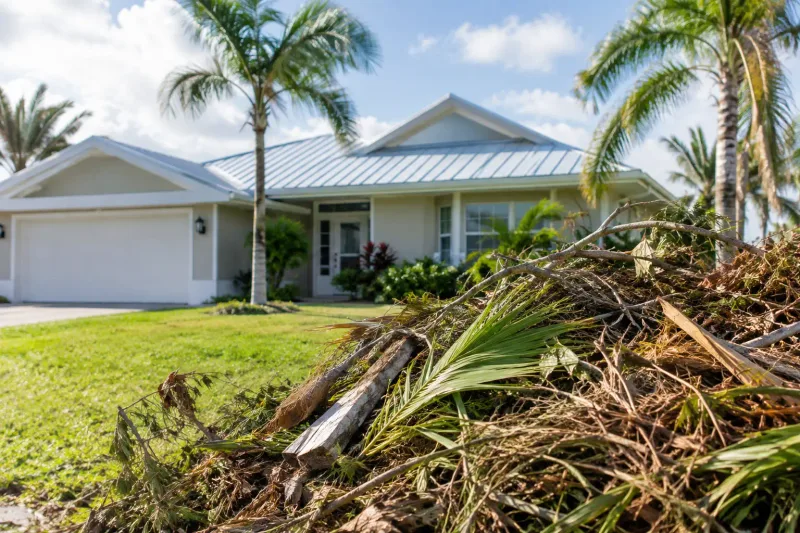
Older homes with conventional windows and removable shutters often require repeated storm preparation, storage space, and physical effort. Panels can provide a level of protection when correctly installed, but they do not improve everyday security, sound control, or energy performance in the way permanently installed impact products can. They also need to be put up before a storm, which can be difficult for seasonal residents, older homeowners, and owners of large properties.
Replacement may also be appropriate when a remodeling project changes the home’s layout or visual character. Expanding a view with a multi-panel sliding glass door, replacing aging French doors, or updating mismatched window styles can improve both function and curb appeal. In coastal and high-wind regions, however, those design decisions must remain tied to approved products, engineering requirements, and local code.
For commercial properties, the decision is often connected to protecting tenants, inventory, common areas, and business continuity. A properly specified impact glazing system can support a more secure building envelope while delivering the polished architectural appearance customers and occupants expect.
What You Gain Beyond Hurricane Protection
Impact-rated windows and doors are built with laminated glass. A durable interlayer holds the glass together after impact, helping the opening remain protected even if the outer glass breaks. This matters because a breached opening can allow wind pressure into a structure, increasing the risk of major damage during a severe storm.
That protection also delivers practical benefits on ordinary days. Laminated glass creates another barrier against forced entry attempts. It can reduce outside noise from traffic, landscaping crews, and nearby construction. Modern frame and glass packages can also help limit unwanted heat gain, especially when the product configuration is selected for the orientation and needs of the home.
Energy savings should be approached realistically. Results depend on the existing windows, the home’s insulation, sun exposure, HVAC condition, and the glass selected. A west-facing wall with old single-pane windows may see a more noticeable comfort improvement than a shaded opening with relatively recent insulated glass. The value is broader than a utility bill calculation: cooler rooms, reduced hot spots, better operation, and fewer drafts can make the home more enjoyable year-round.
There is also a property-value consideration. Buyers in South Florida frequently look for homes with permanent hurricane protection, updated openings, and fewer immediate maintenance projects. While no contractor should promise a specific resale return, impact windows can make a property more competitive and reduce a common concern during inspections and negotiations.
Choosing the Right Impact Windows and Doors
Not every impact product fits every opening. The strongest choice is the one that meets the applicable code requirements while matching how the space is used, the building’s architecture, and the owner’s priorities.
A picture window may be ideal for maximizing a view and daylight, while a casement window can provide ventilation and a more contemporary profile. Single-hung and horizontal roller windows are practical choices in many homes, particularly when maintaining an existing style. For larger openings, sliding glass systems, French doors, and reinforced entry doors can transform access to patios, pools, balconies, and outdoor living areas.
Glass selection deserves the same attention as the frame. Tint, low-emissivity coatings, privacy options, and decorative configurations affect heat control, visibility, and appearance. Coastal exposure, upper-floor applications, and oversized panels can bring additional engineering considerations. The best consultation identifies these trade-offs before an order is placed, not after materials arrive.
Homeowners comparing brands should look beyond the name on the frame. Premium manufacturers such as PGT, CGI, and ES offer approved impact options across multiple styles, but the correct model depends on the opening size, design pressure requirement, location, and desired features. Miami-Dade approvals and Florida Product Approvals are meaningful because they document that a product has met specific testing and evaluation standards. They do not eliminate the need for correct installation.
Why Installation and Permits Matter as Much as the Product
A high-quality impact window can only perform as well as its installation. Existing conditions vary widely in South Florida homes. Some openings have damaged substrates, deteriorated bucking, stucco cracks, uneven masonry, or prior repairs that need attention before the new unit is secured.
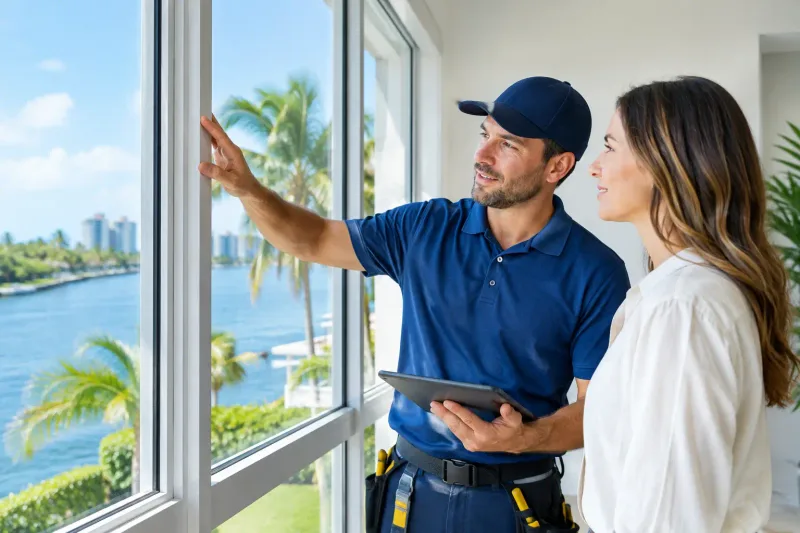
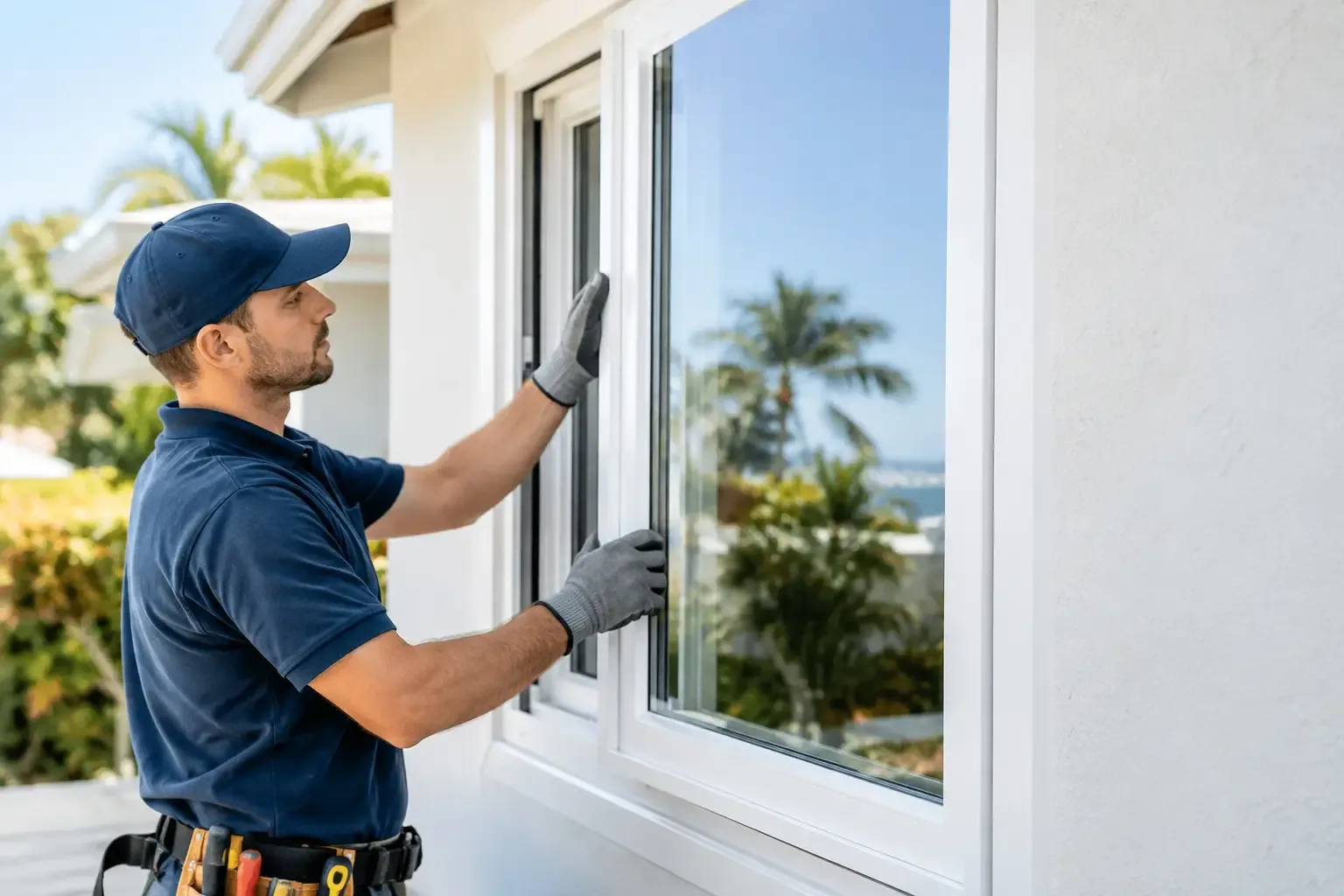
Professional installers begin with detailed measurements and verify the approved installation method for each opening. They remove existing units carefully, prepare the opening, install the frame with the required anchors and spacing, seal the perimeter, test operation, and finish the work cleanly. The goal is not just a neat appearance. It is a correctly integrated opening that resists wind-driven rain and performs according to its approved system.
Permitting is another critical part of the process. Window and door replacement commonly requires permits, product documentation, inspections, and final closure. Condominium and HOA communities may require separate applications, insurance documents, drawings, color selections, or approval before work can begin. A full-service contractor manages these details so the owner is not left coordinating paperwork between the municipality, association, manufacturer, and installation crew.
At Avrax Impact Windows & Doors, this project accountability includes consultation, product selection, permitting support, removal, installation, cleanup, and completion coordination. It is the controlled process behind the finished result that homeowners see every day.
Questions to Ask Before You Sign a Contract
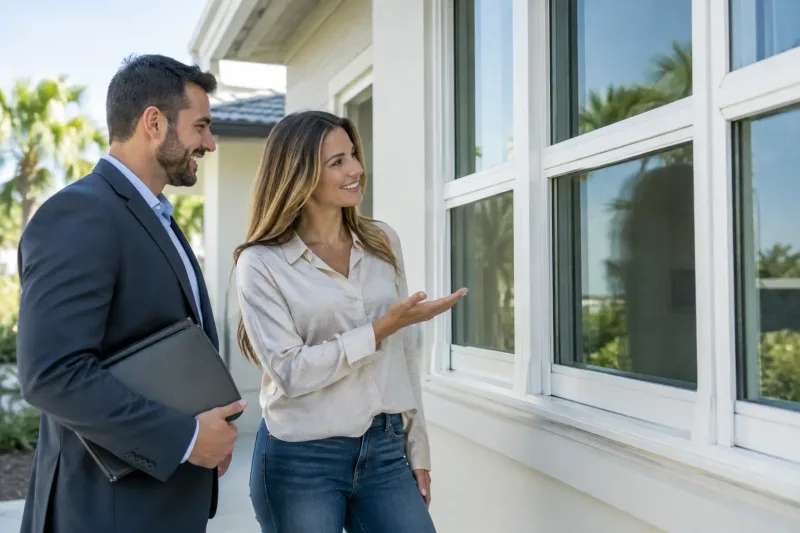
The lowest quote is not always the lowest-cost decision. A proposal should clearly identify the manufacturer, series, glass configuration, scope of work, permit responsibility, and whether removal, disposal, interior protection, exterior restoration, and final inspections are included. If the details are vague, comparisons will be vague too.
Ask whether the product is approved for your specific application and whether the contractor will handle permits and HOA requirements. Confirm the expected timeline, payment schedule, warranty coverage, and how change conditions are addressed if hidden damage is uncovered after removal. These conversations protect both the customer and the project.
It is also reasonable to ask how the crew will protect floors, furnishings, landscaping, and access areas. Window replacement is construction work, and some dust or disruption is unavoidable. Professional planning, respectful crews, daily cleanup, and clear communication make that disruption manageable.
Planning Your Project With Confidence
Impact window replacement is a major exterior investment, so timing matters. Some owners plan around hurricane season, remodeling schedules, property sales, or insurance renewals. Others begin when financing makes the project more manageable. Waiting until a storm is approaching is rarely ideal, since product lead times, permitting, and installation schedules cannot be responsibly rushed.
Start with a careful assessment of the openings that concern you most. Note windows that leak, stick, corrode, or create excessive heat and noise. Consider how you use each room, which views you want to preserve, and whether doors should be part of the same project. A detailed estimate can then turn those priorities into a clear, code-compliant plan.
Your home should not require a last-minute scramble to feel protected. A well-planned replacement project gives you permanent protection at the openings that matter most, with a finished look and daily comfort you can appreciate long after storm season passes.